Dwelling Games
A boardgame deign workshop held in the Nile University in Egypt with Dr. Ahmed Borham to create urban design games.
Project Overview
In the dwelling and design course, students learn how to design neighbourhoods based on the the ideas illustrated in the book “Soft City: Building Density for Everyday life” by “David Sim”.
The idea of this workshop was to use these ideas and create a game which help architects make design decisions.
Dr. Ahmed was responsible for the urban part and I was responsible for the game design theories and mechanics. By the end of the semester, we were able to help the students of this class to design three games as their final project.
Let’s Play some games
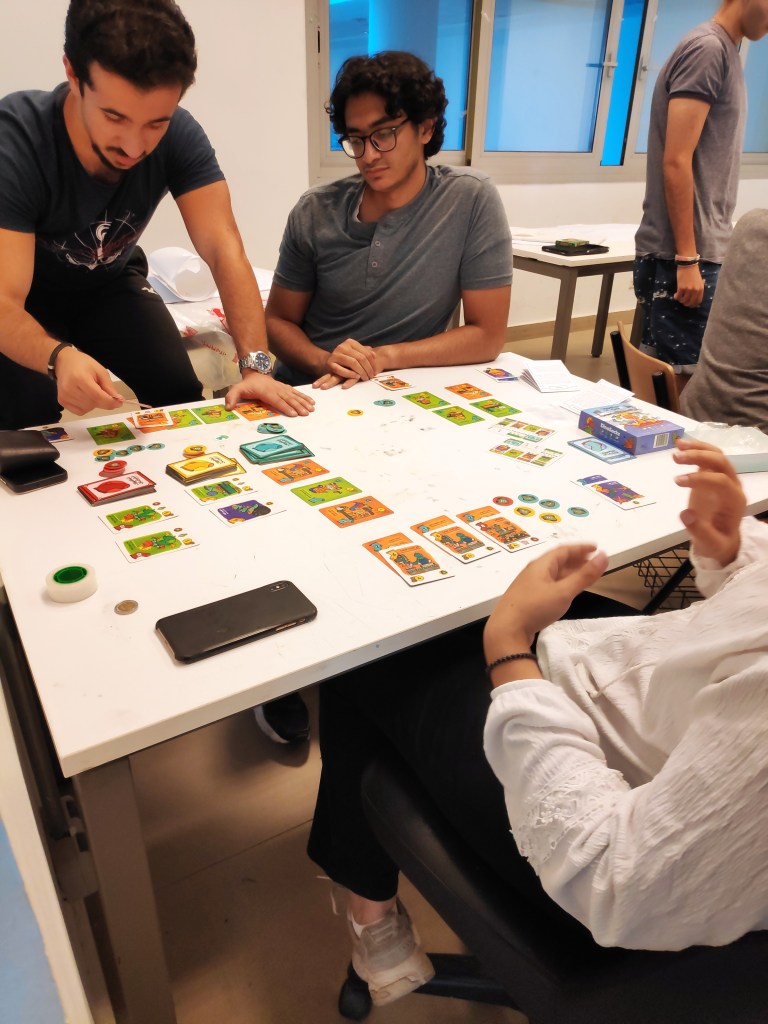
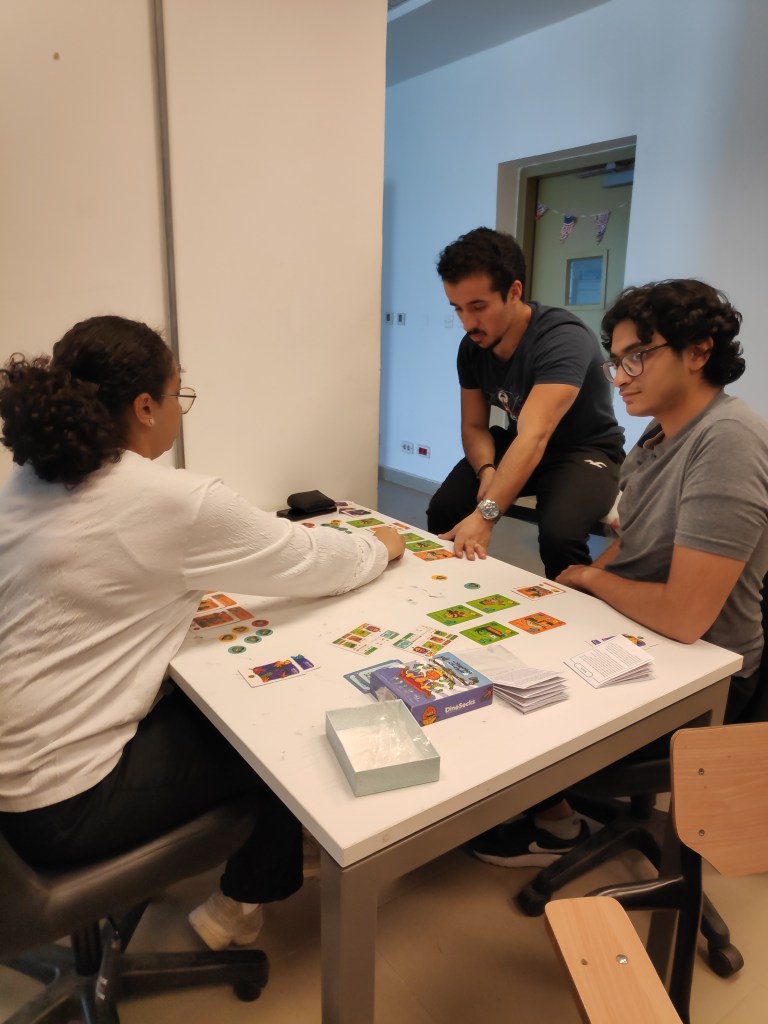
At the beginning, we started by playing several games and analysing their systems and mechanics to get a deep understanding of how game systems work, learn more about feedback loops, scoring system, and how games are balanced.
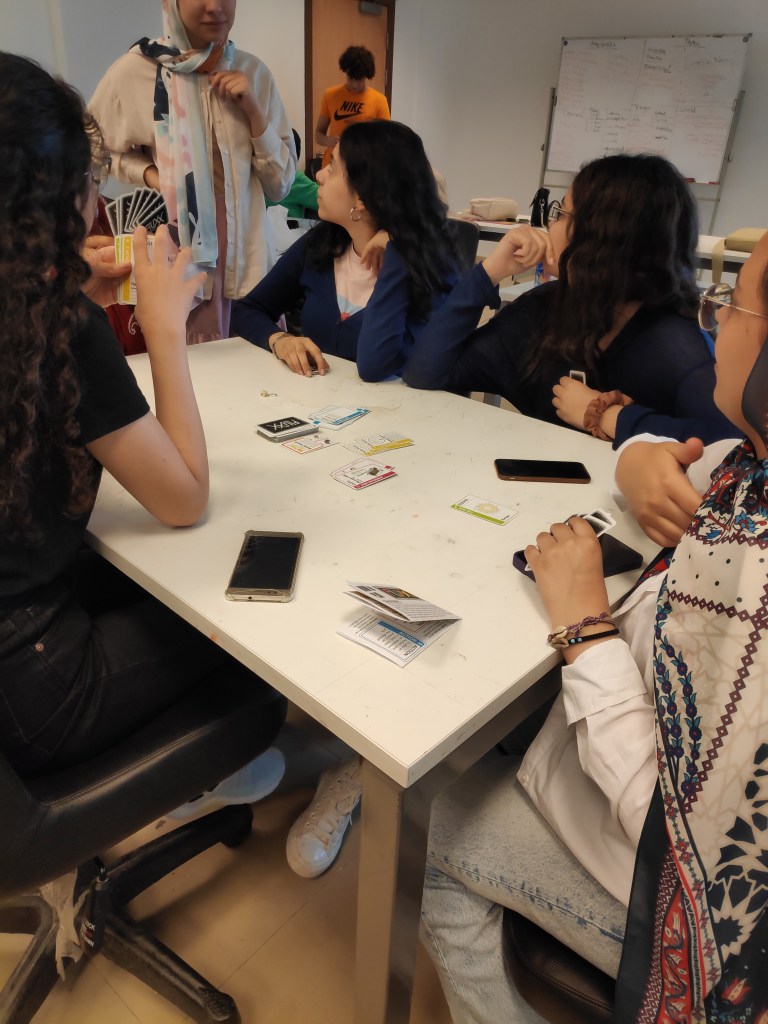
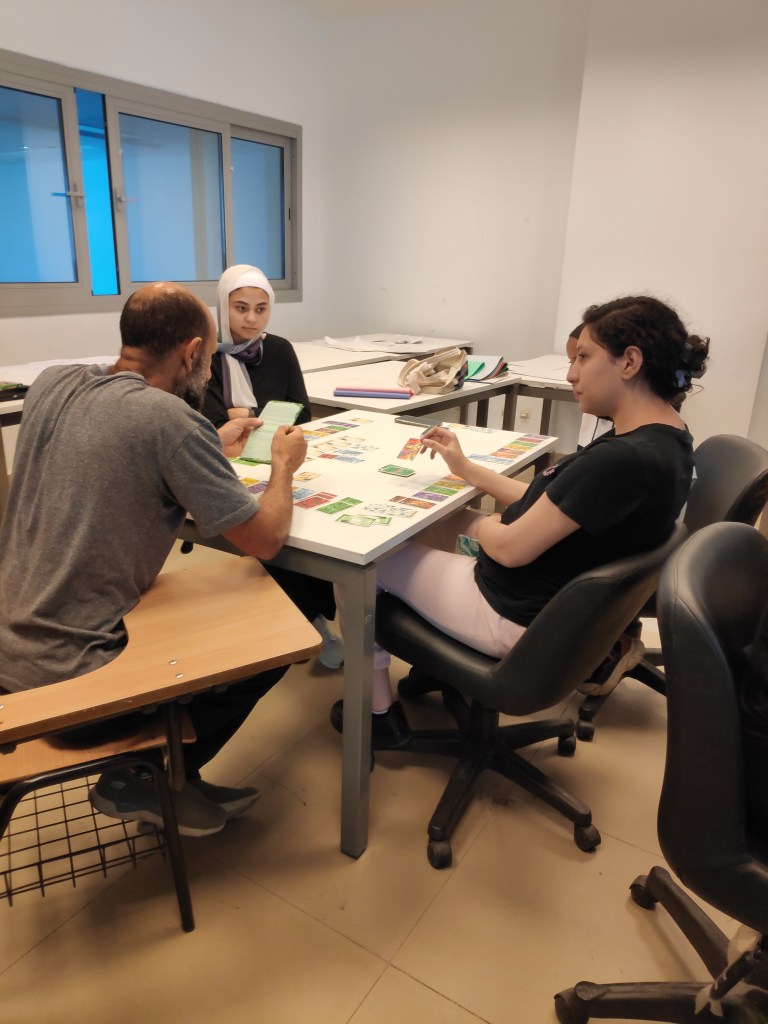
How did it All start?
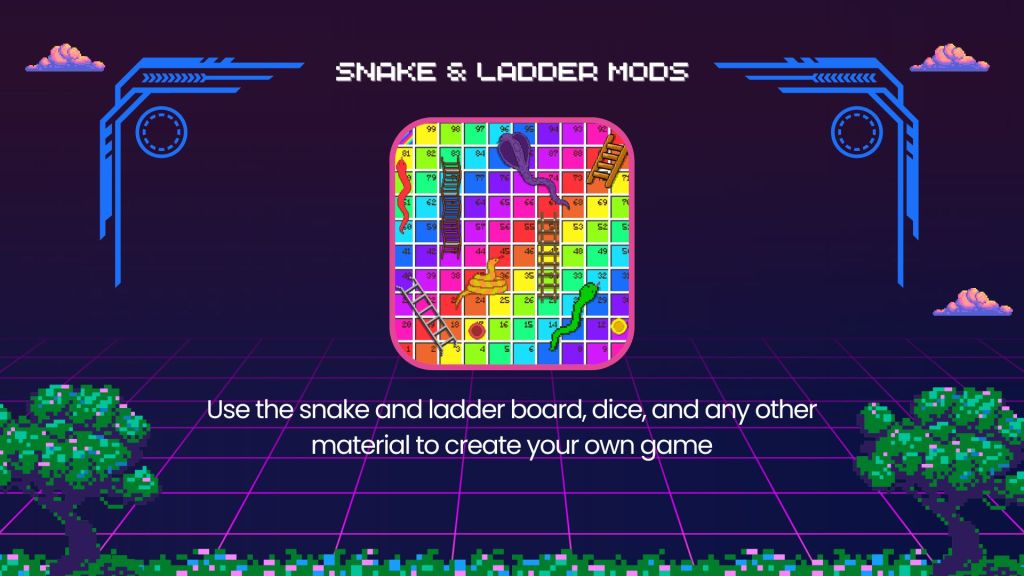
We took a simple game that is “Snake and Ladder” as a base to start our design journey. Students in groups were asked to modify this simple games adding their own rules to them. We iterated several times adding new rules and trying different mechanics that align with the game objectives which eventually led to three different games serving the same theme of dwelling and design.
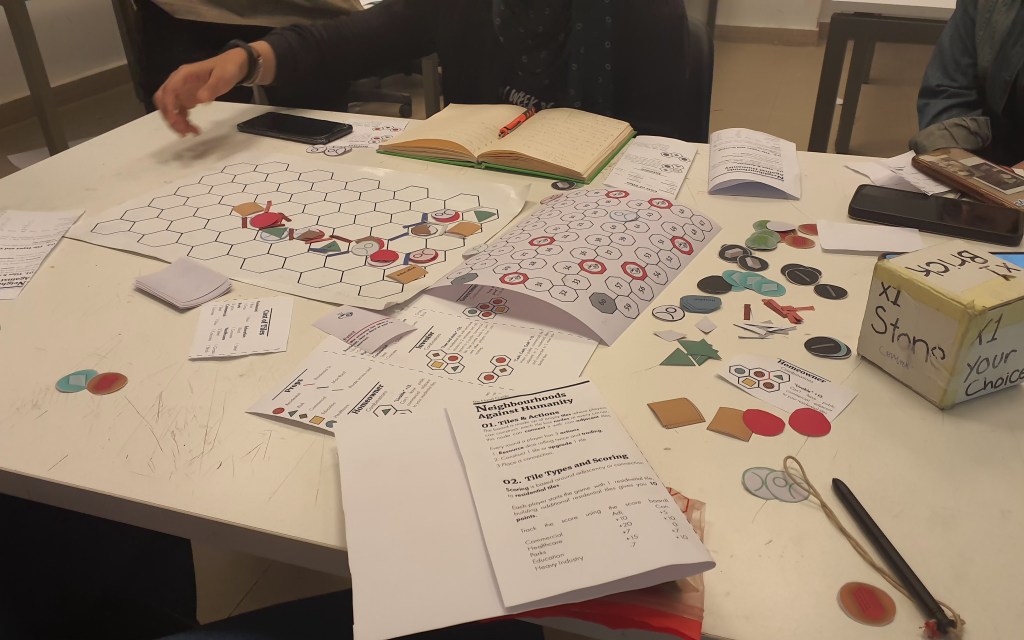
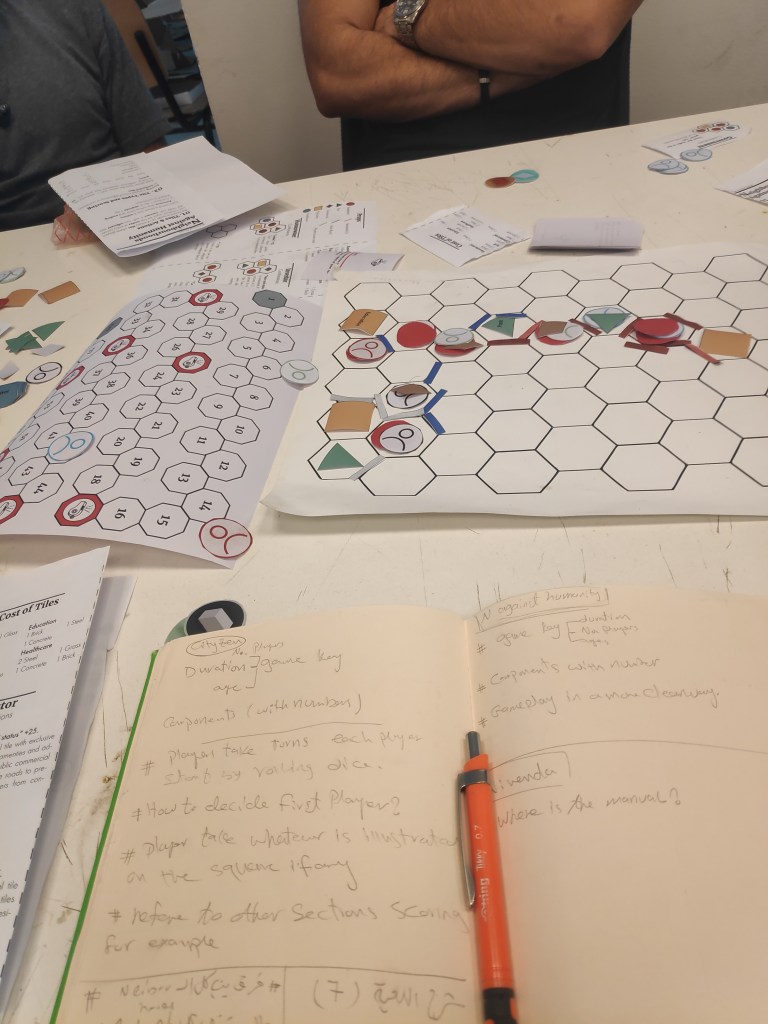
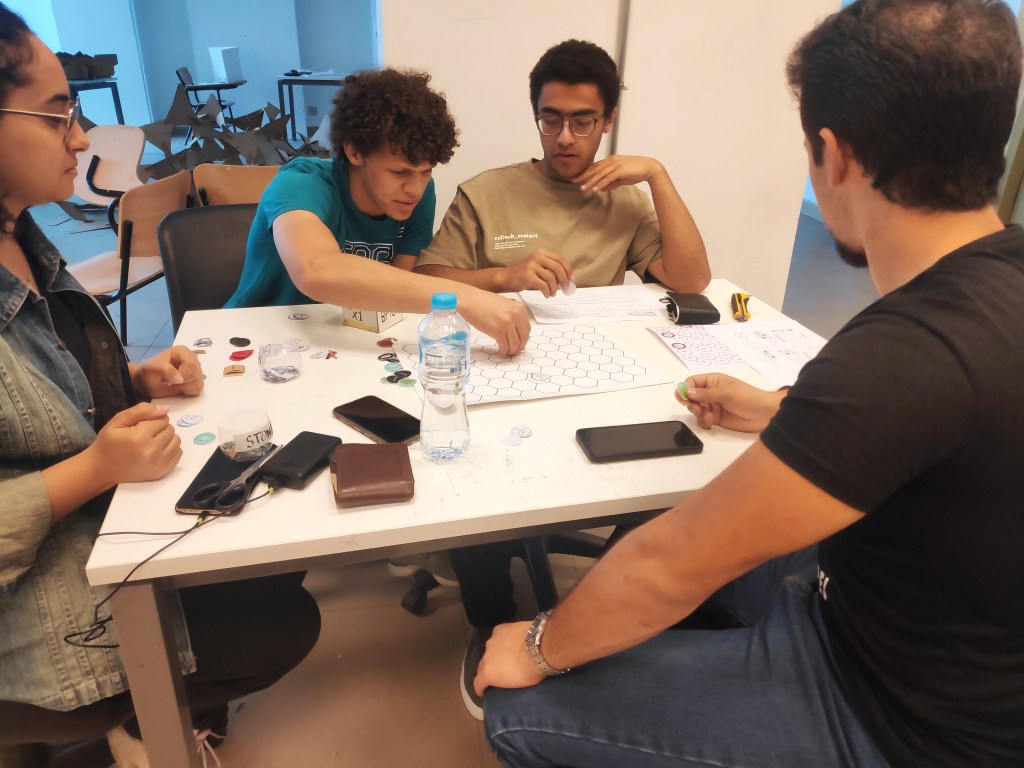
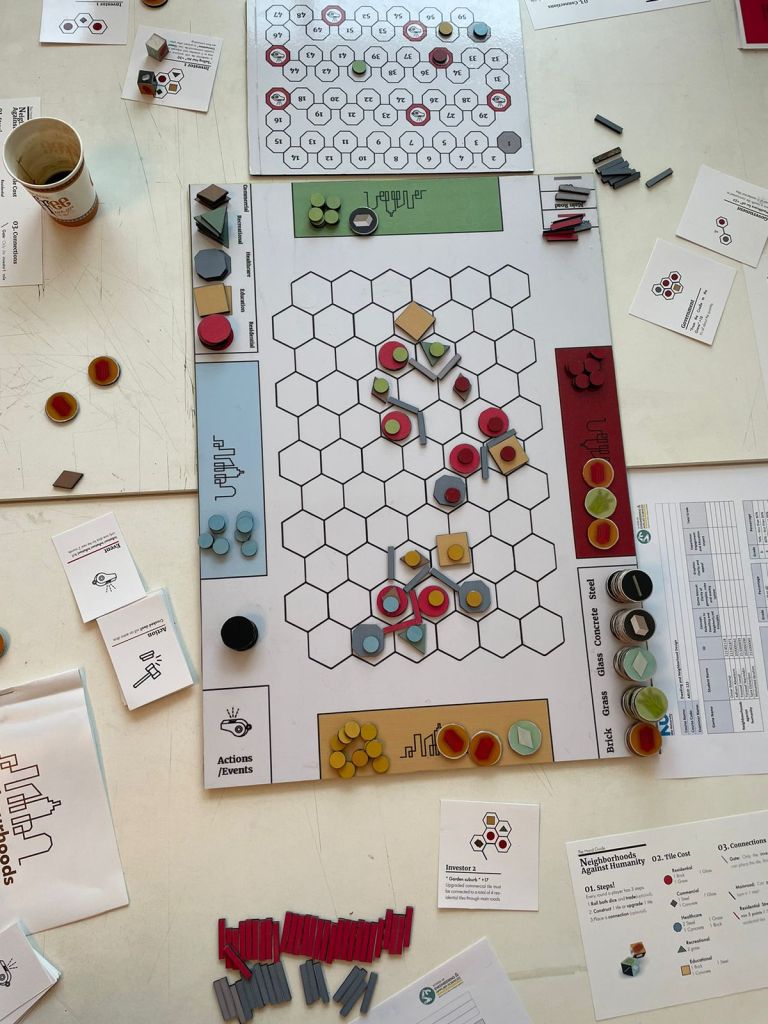
Neighbourhoods against Humanity

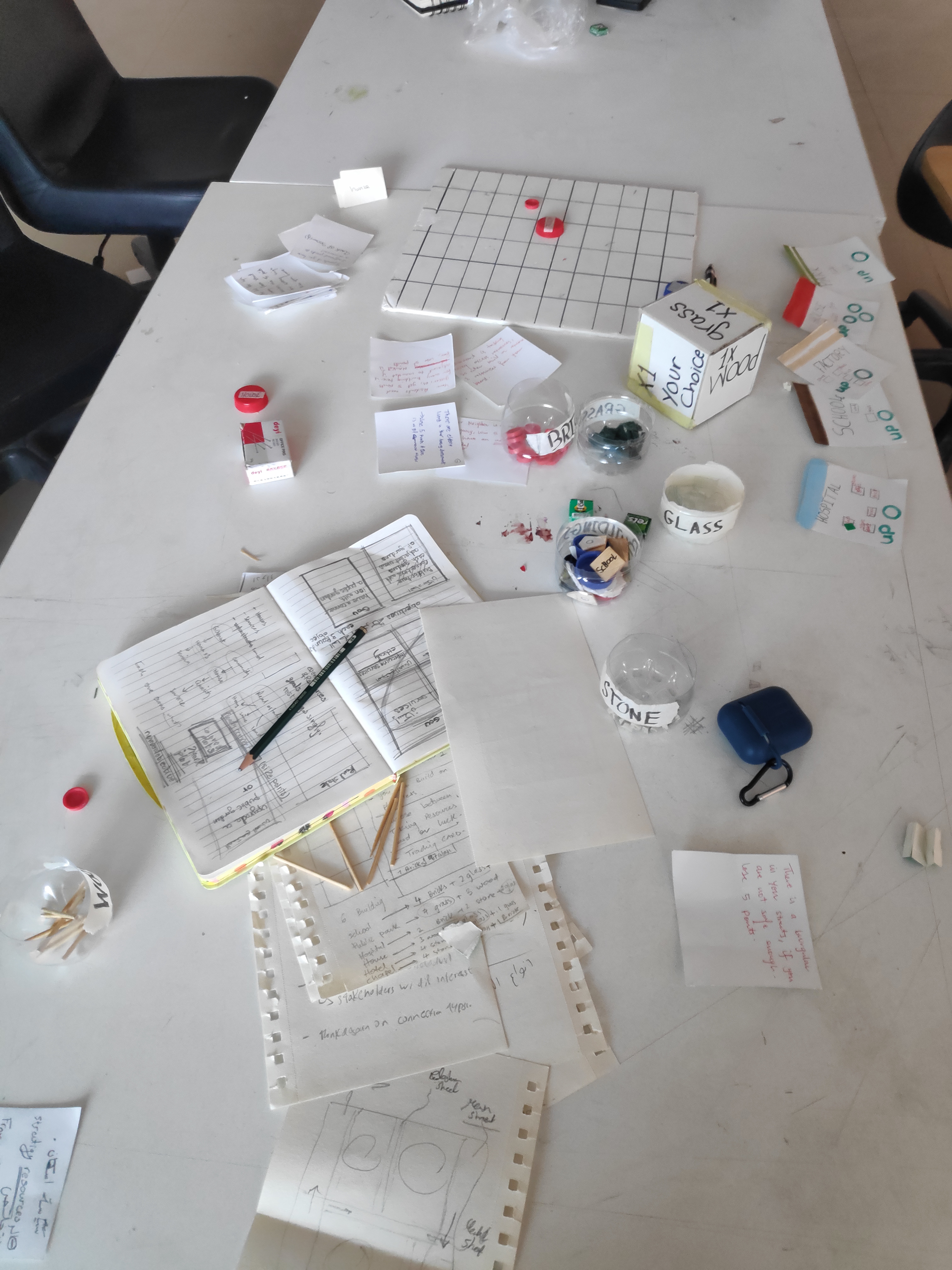
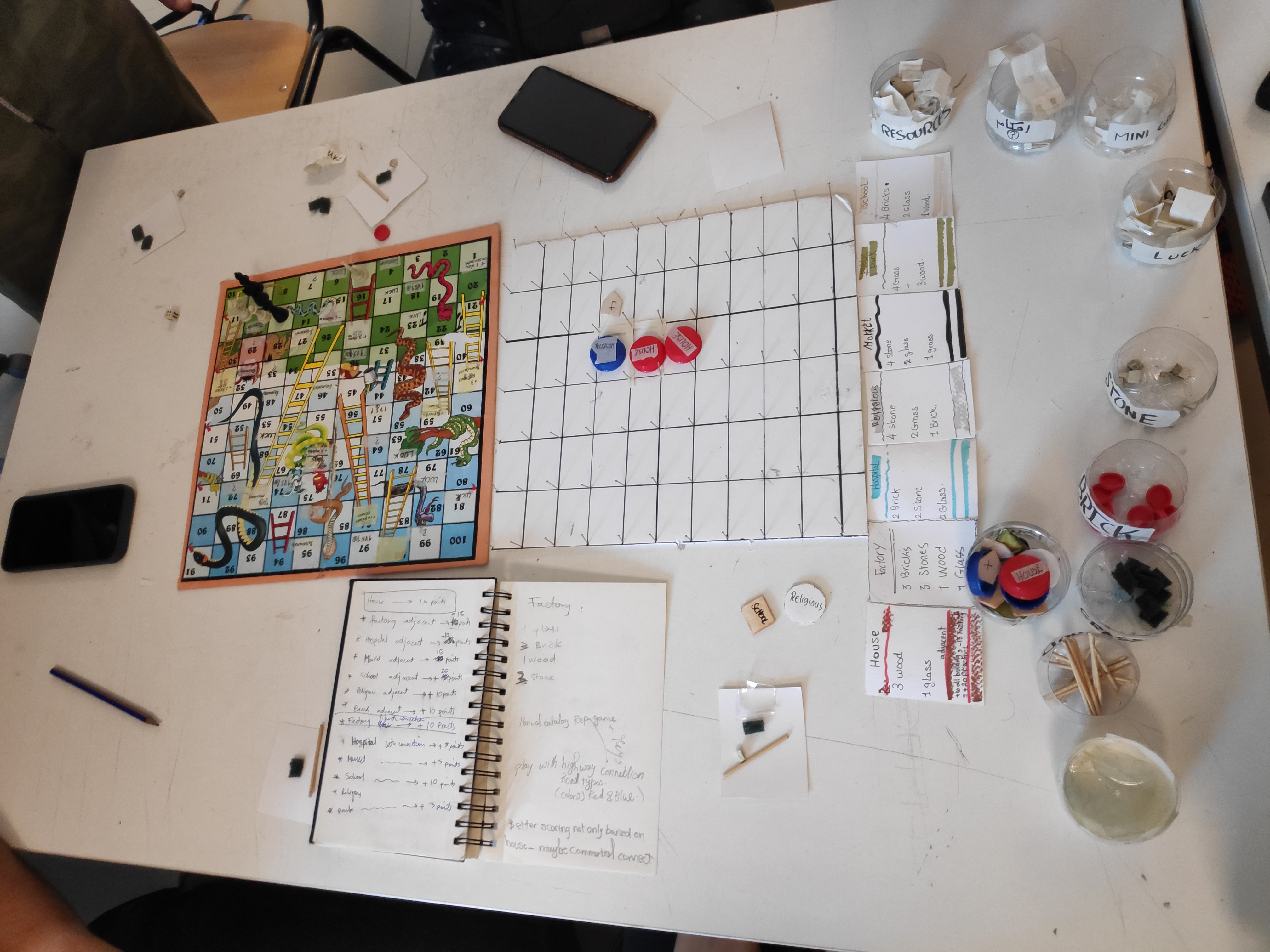
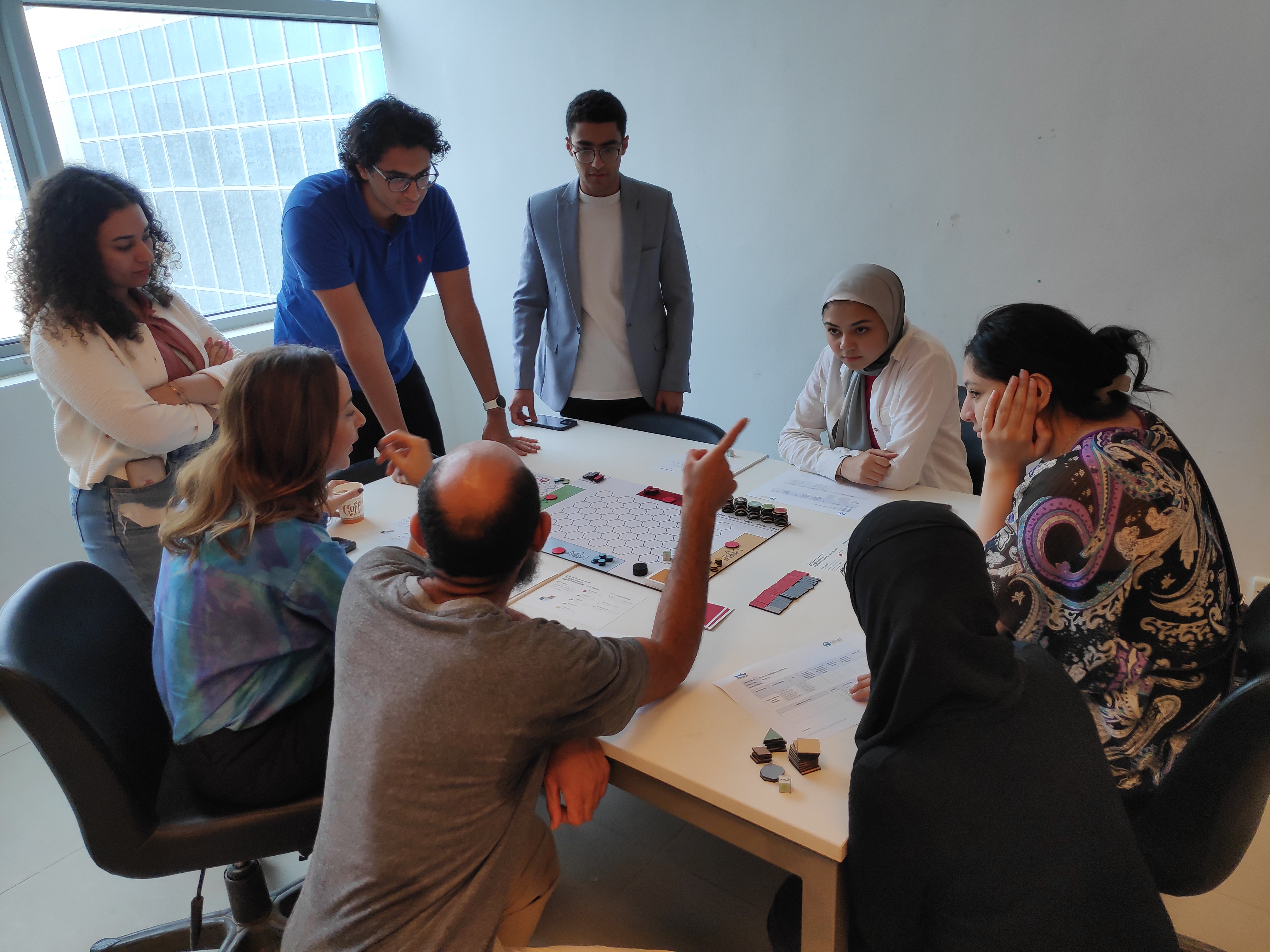
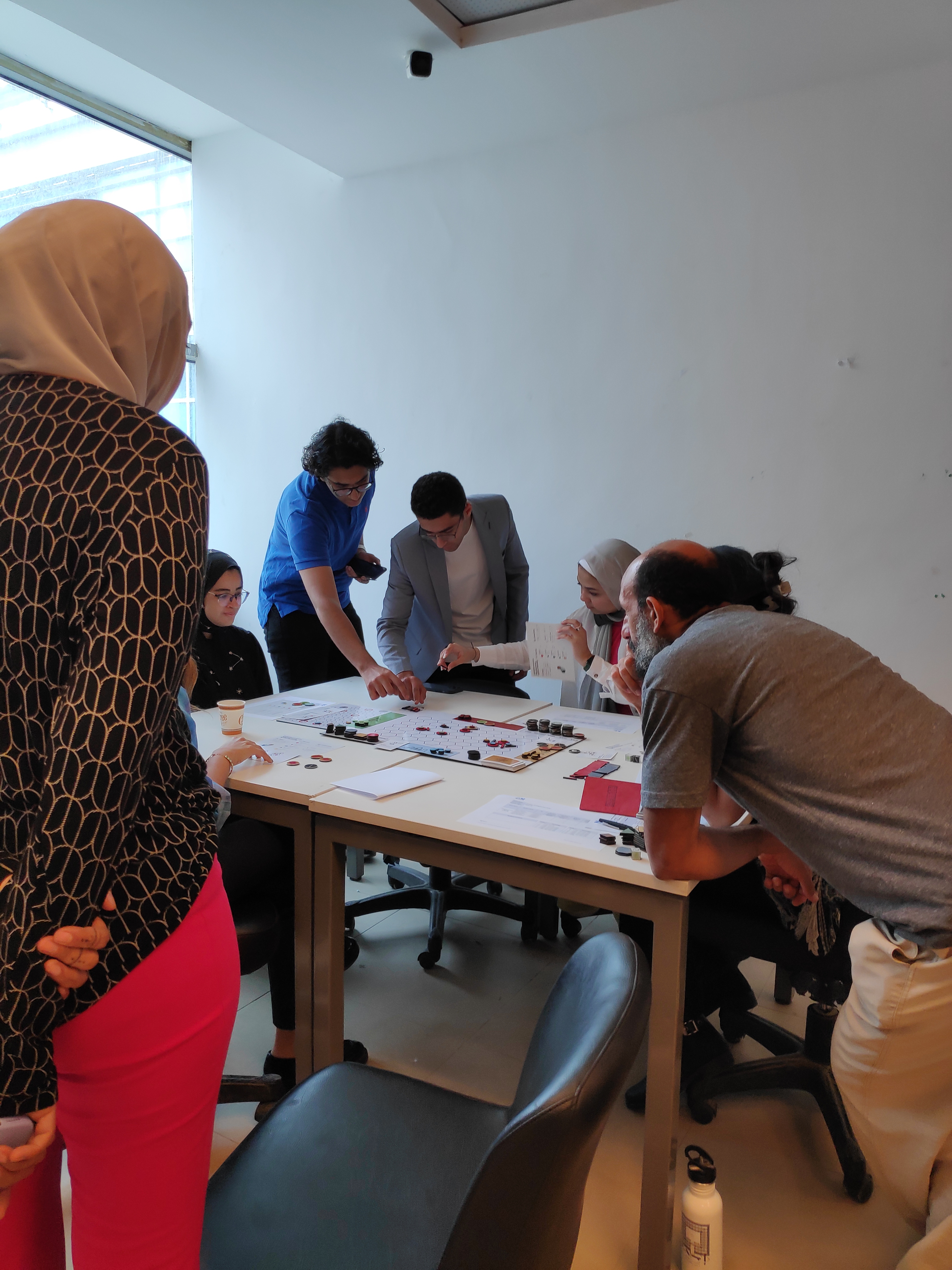
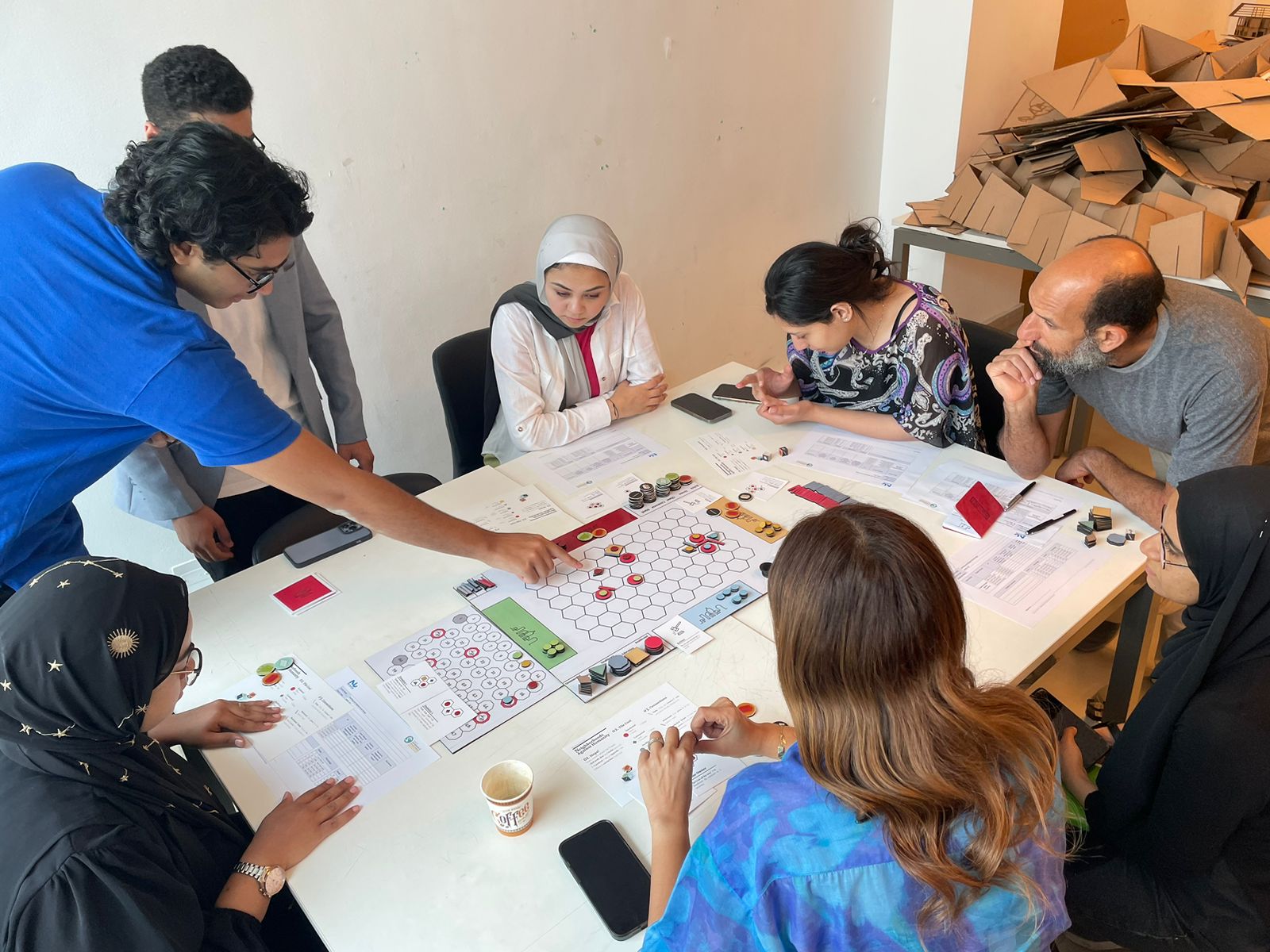
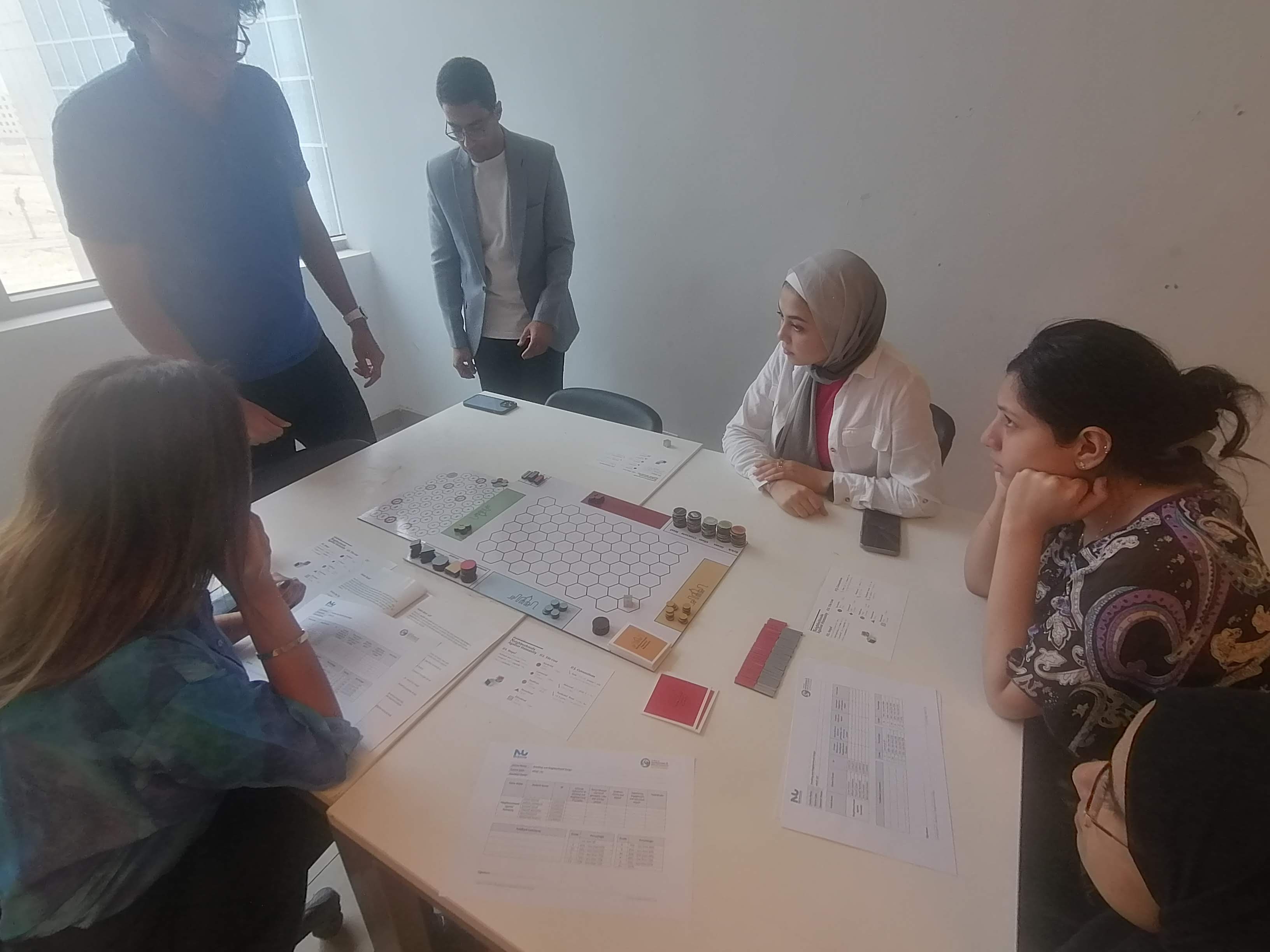
In this game, students a board with hexagon shaped units. They used resource management and dice mechanics to design a competitive board game where players share a common land and they try to build neighbourhoods that gets the highest score.
The first prototype
More Development and testing


Final Game
CityZen
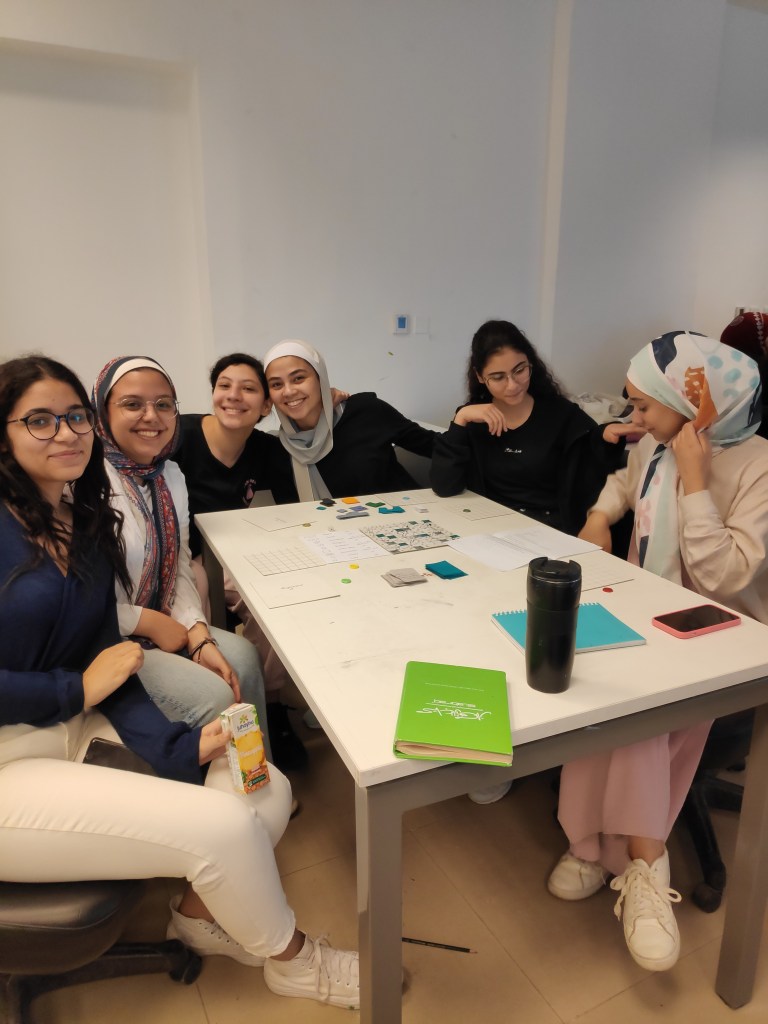
In this game, students used the regular snake and ladder board changing the colours of and shapes of the background of each unit so that they function differently. They also created additional boards for players to place their tiles on in a certain way to make the best use of space.
The students in this game merged dice rolling, drawing cards, and space management mechanics to create their own dwelling game.
The first prototype
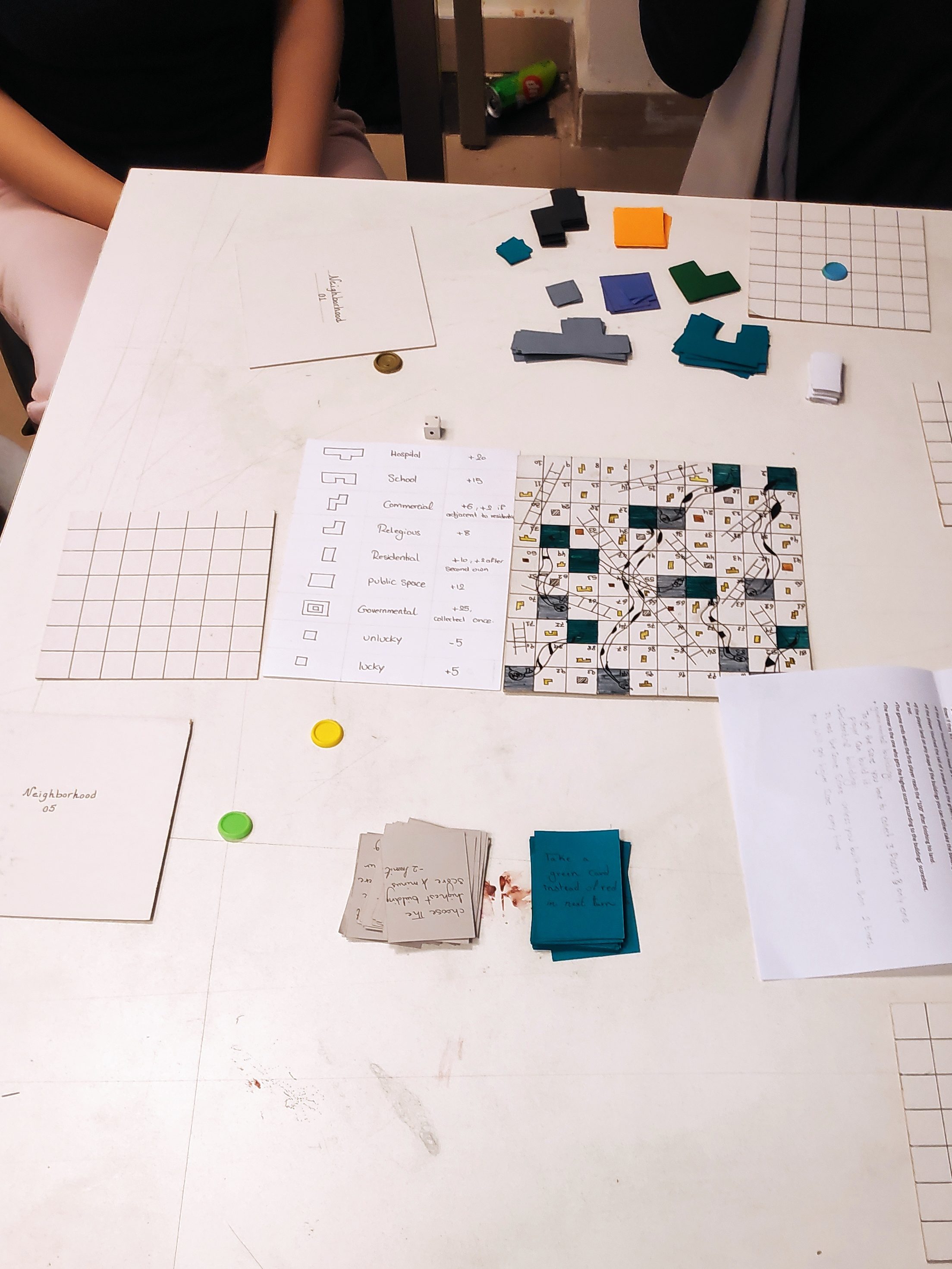
More Development and testing
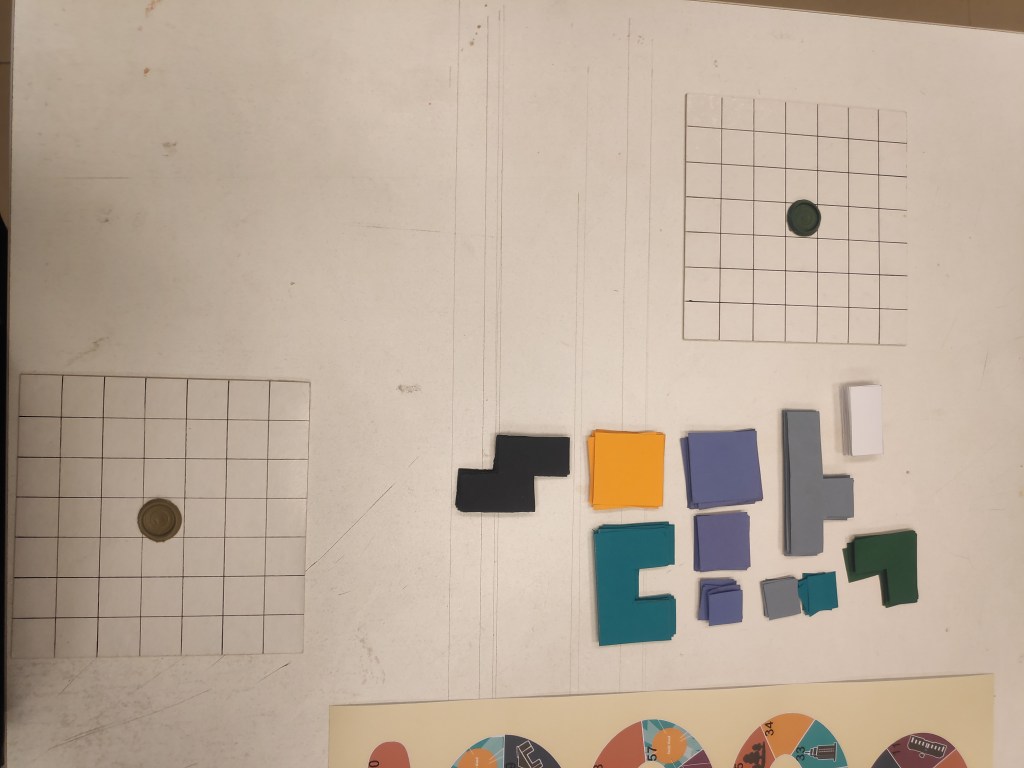

Final Game
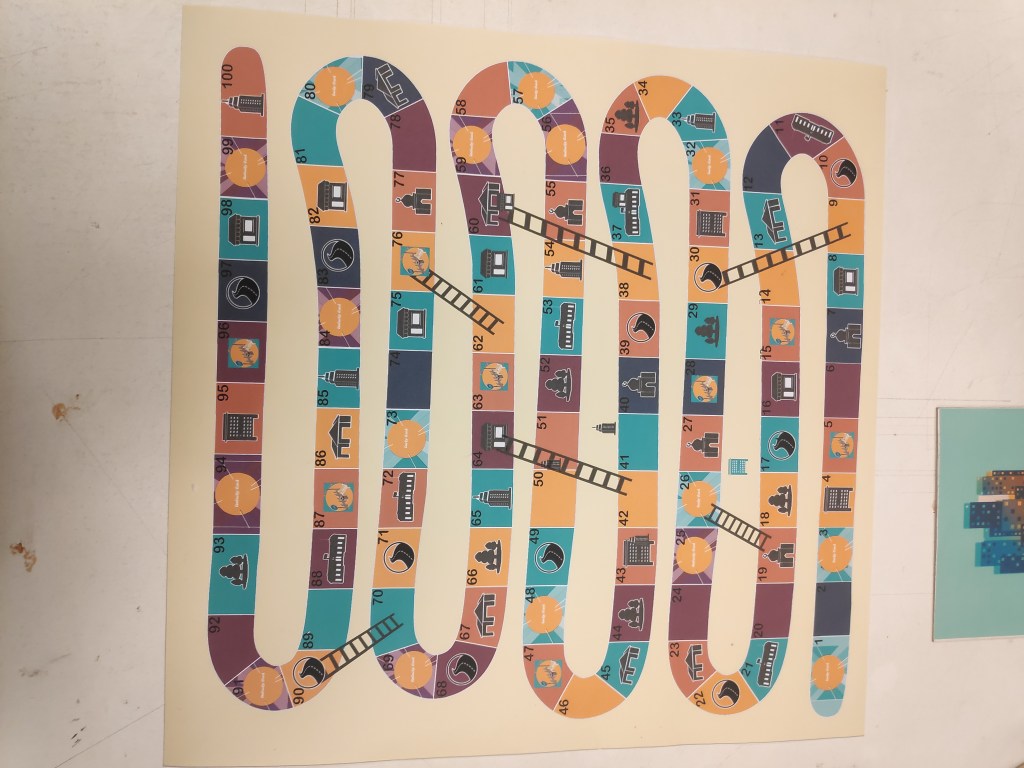


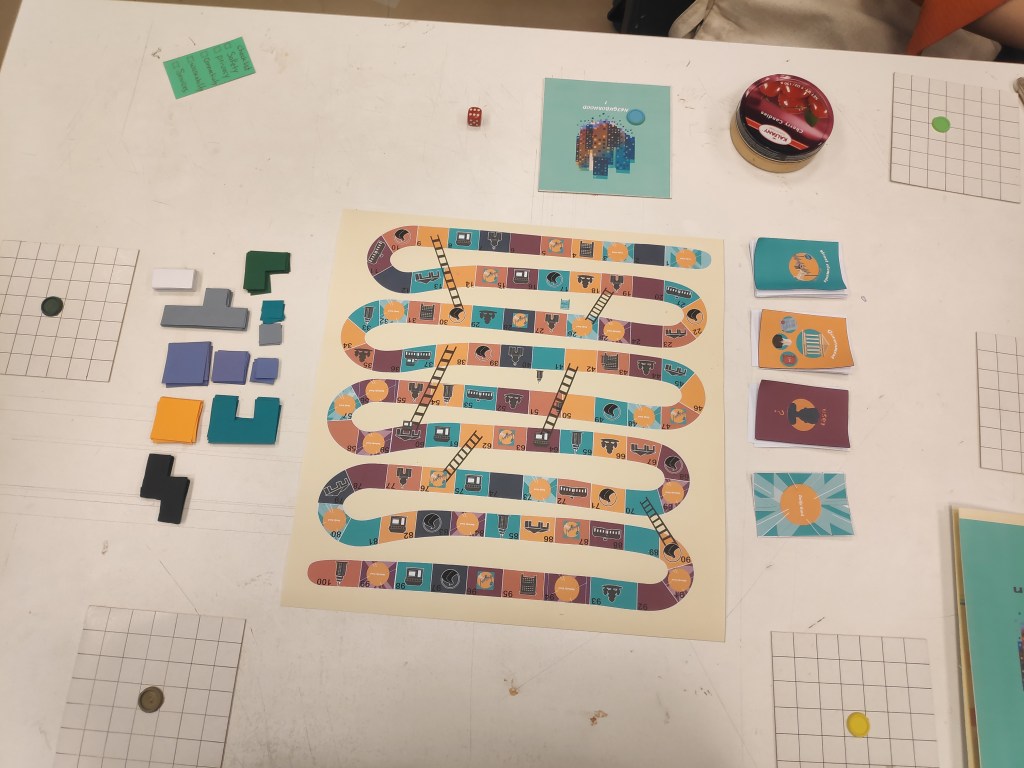
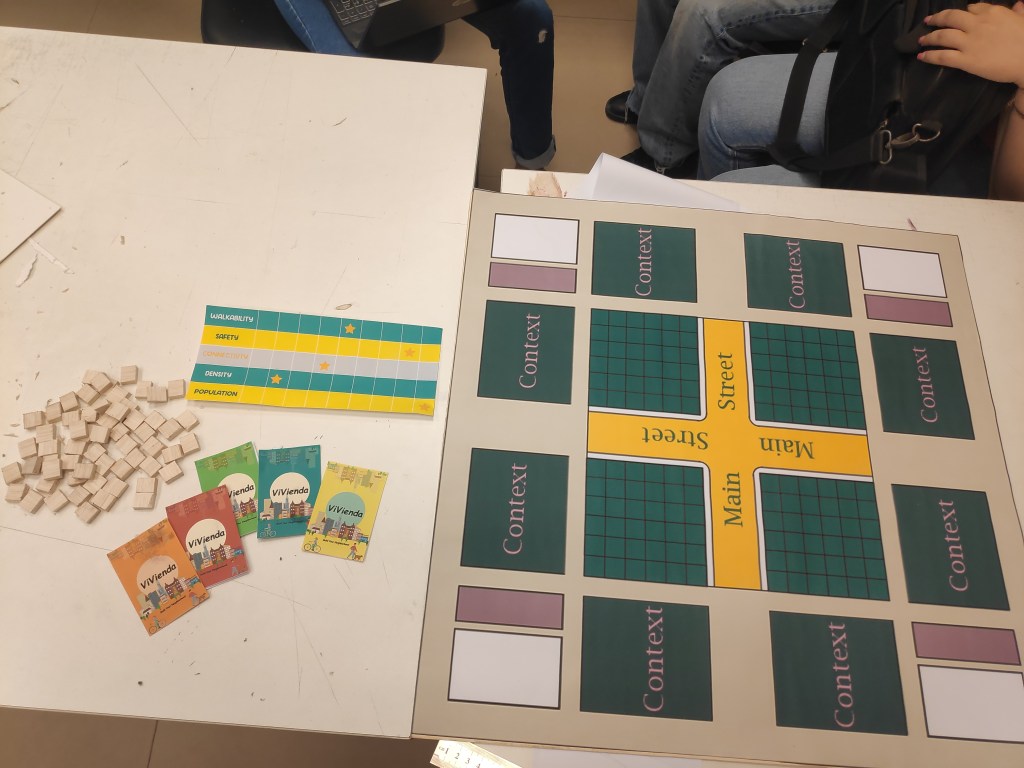
Vivienda
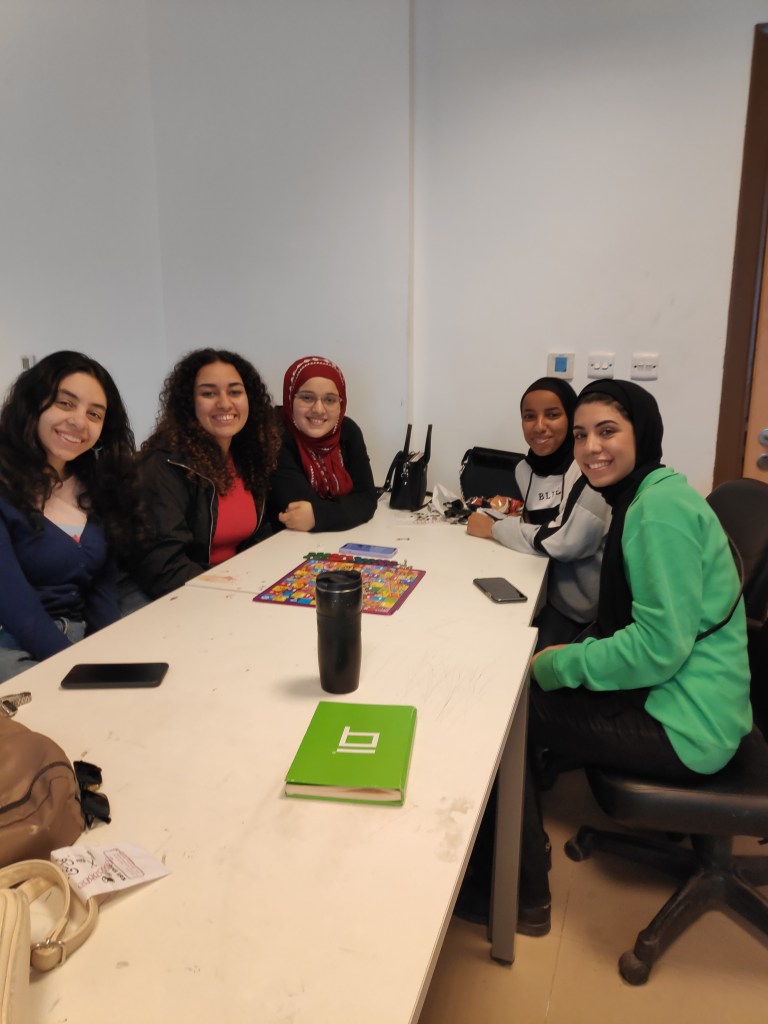
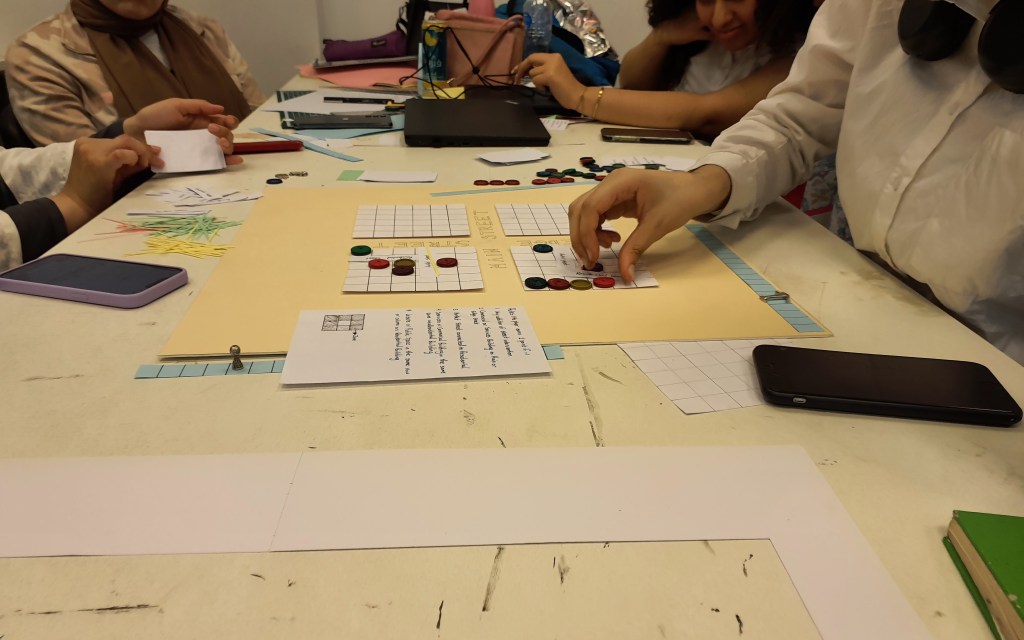
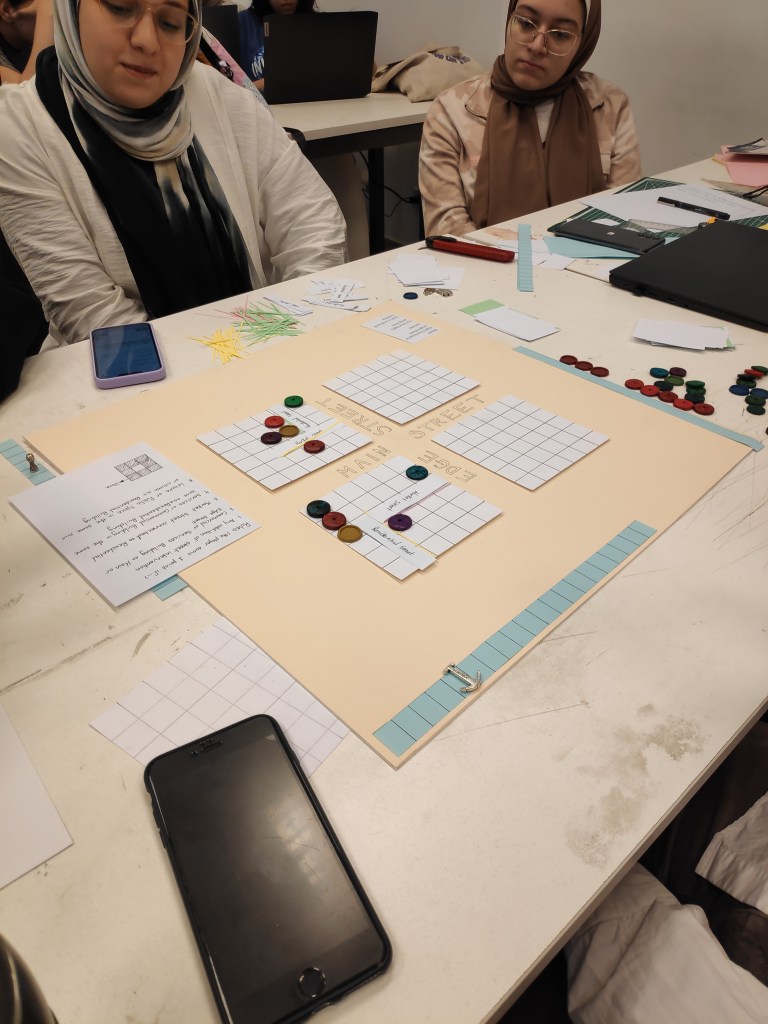
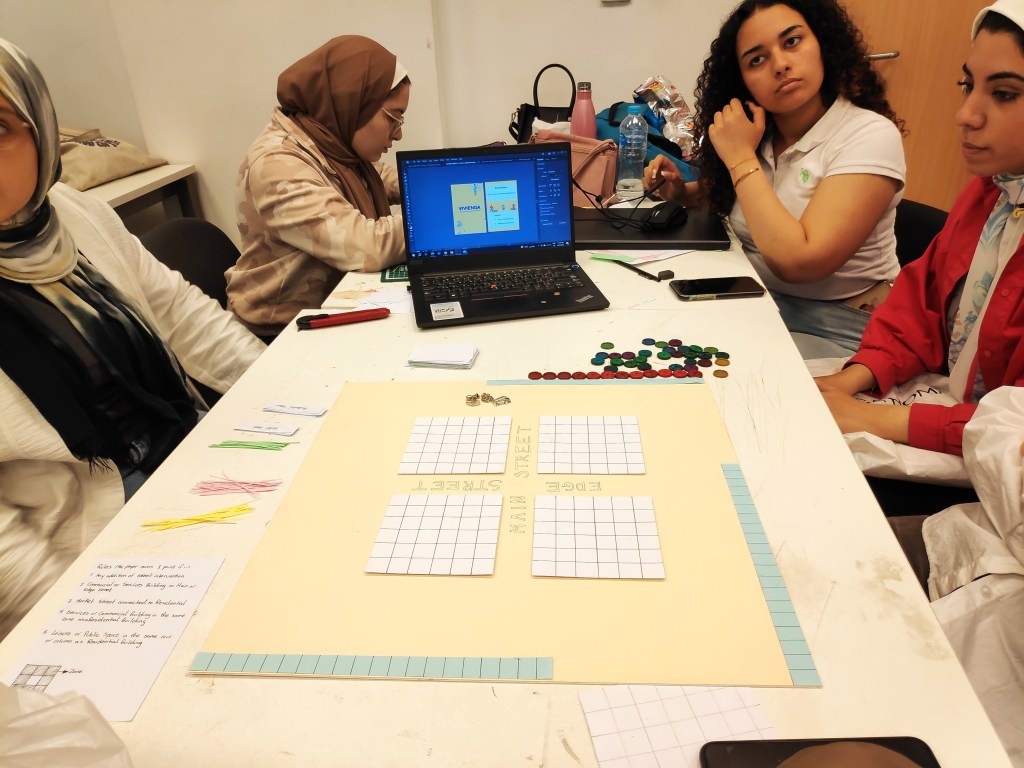
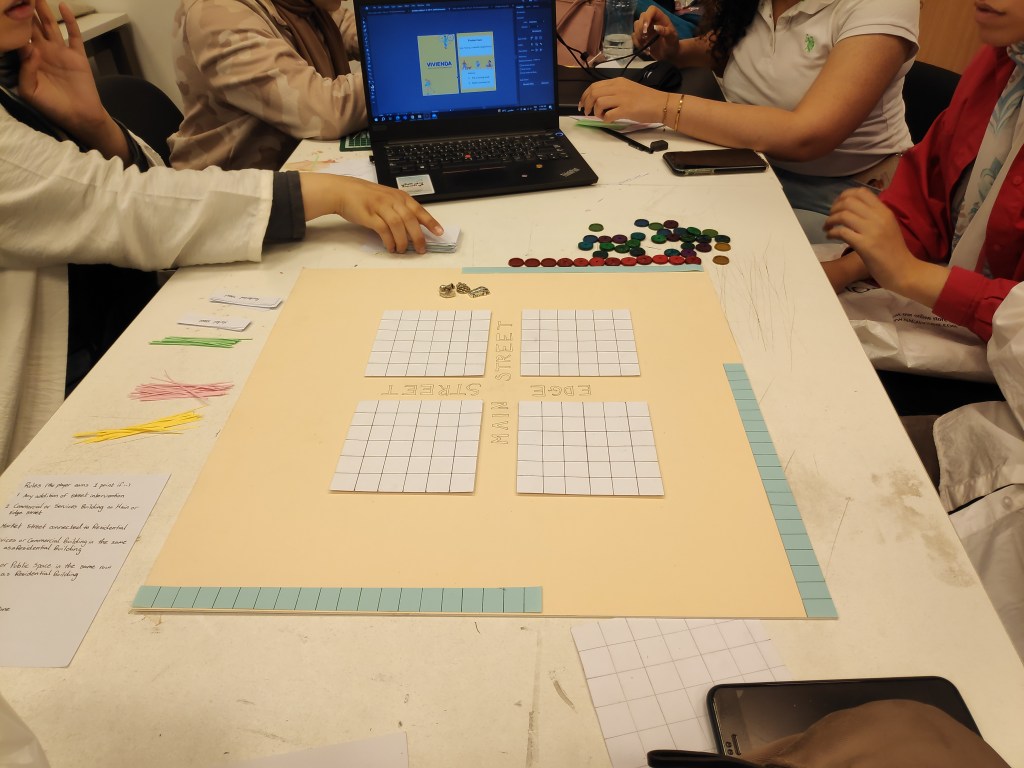
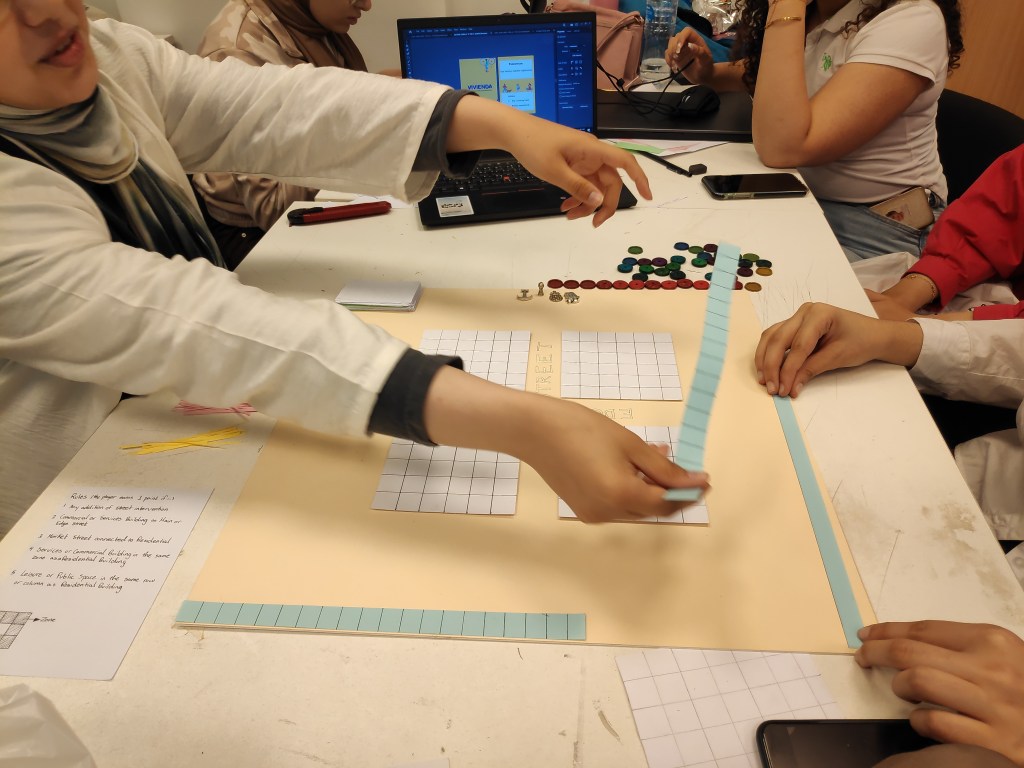
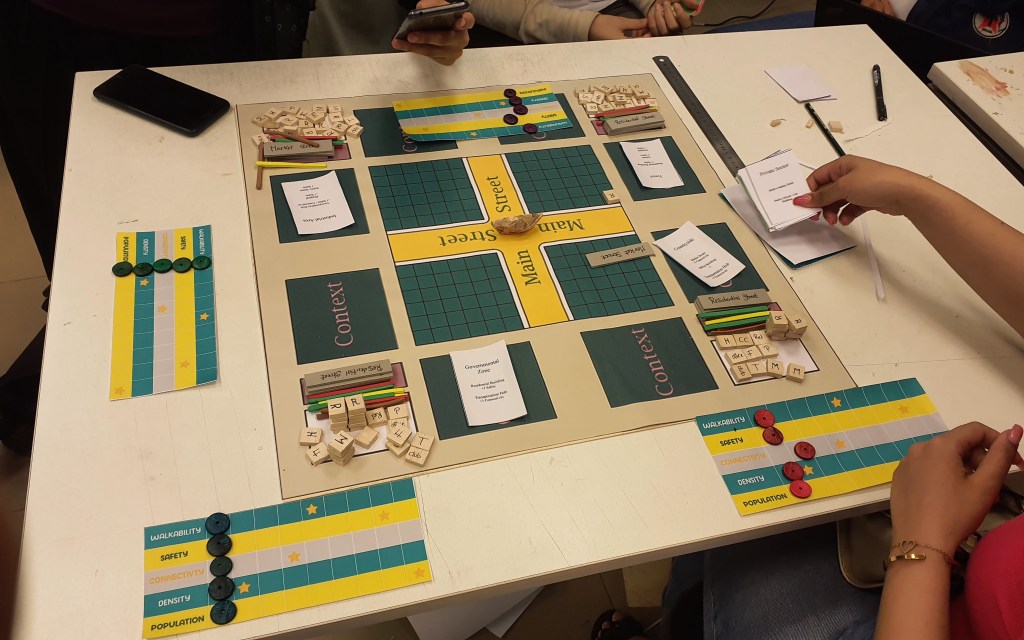
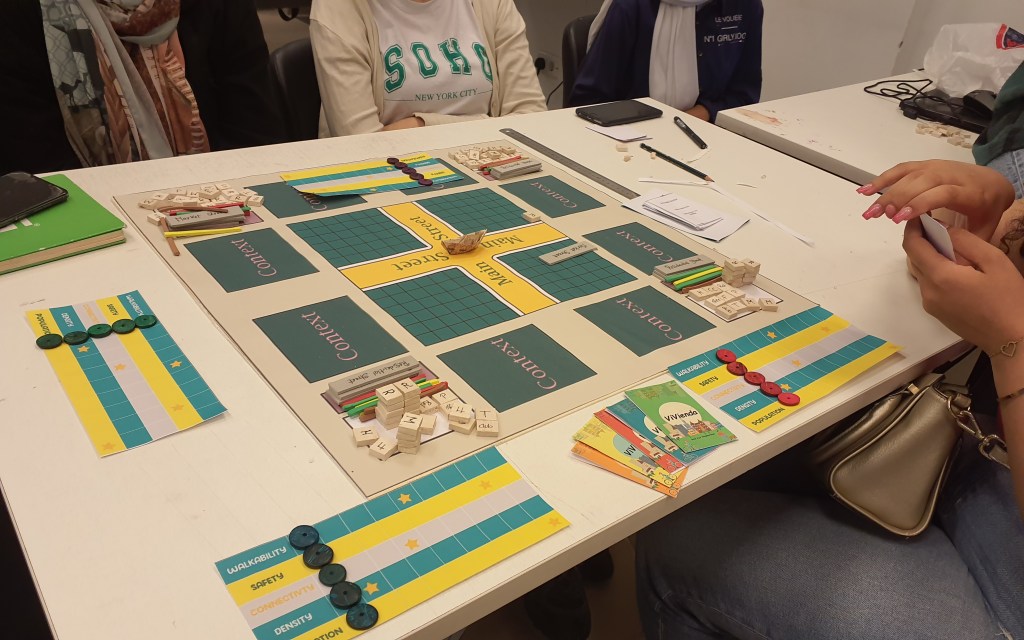
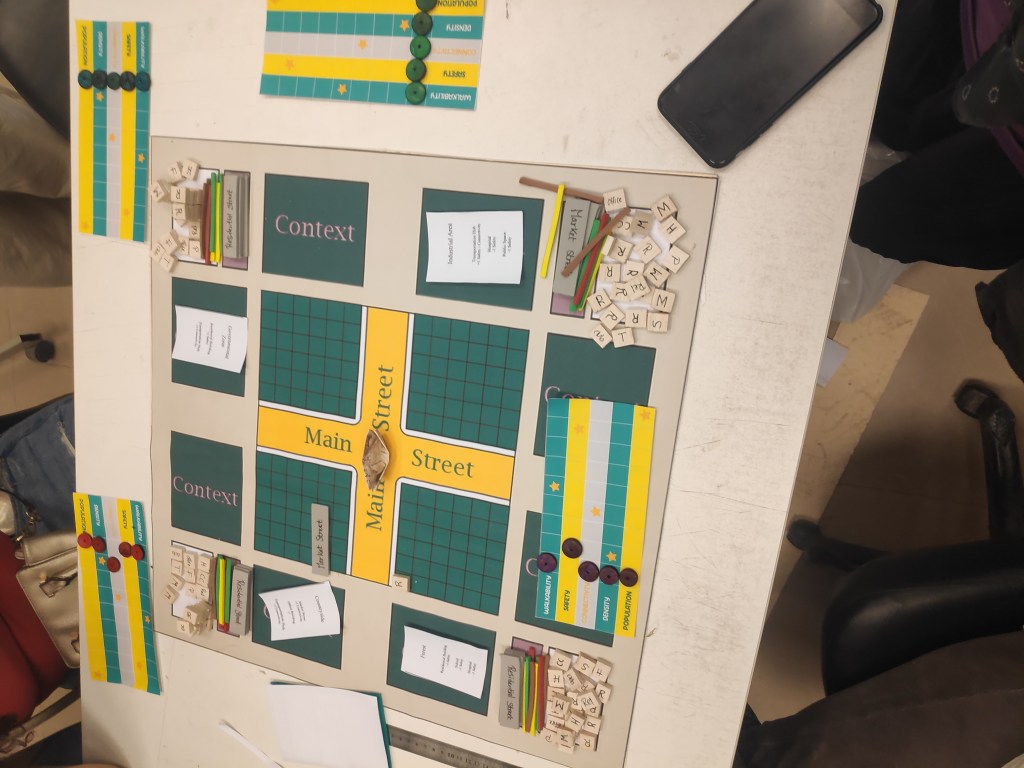
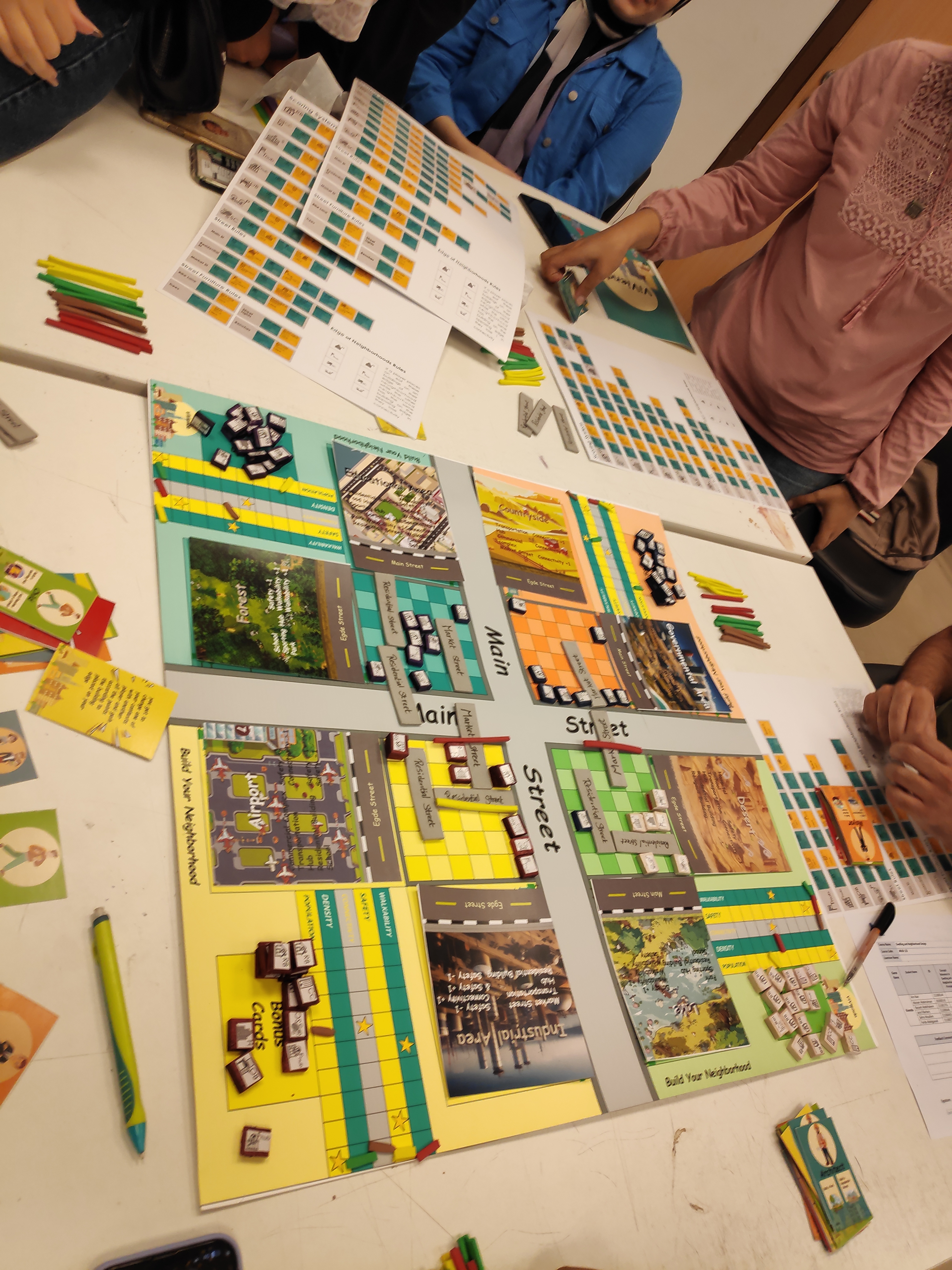
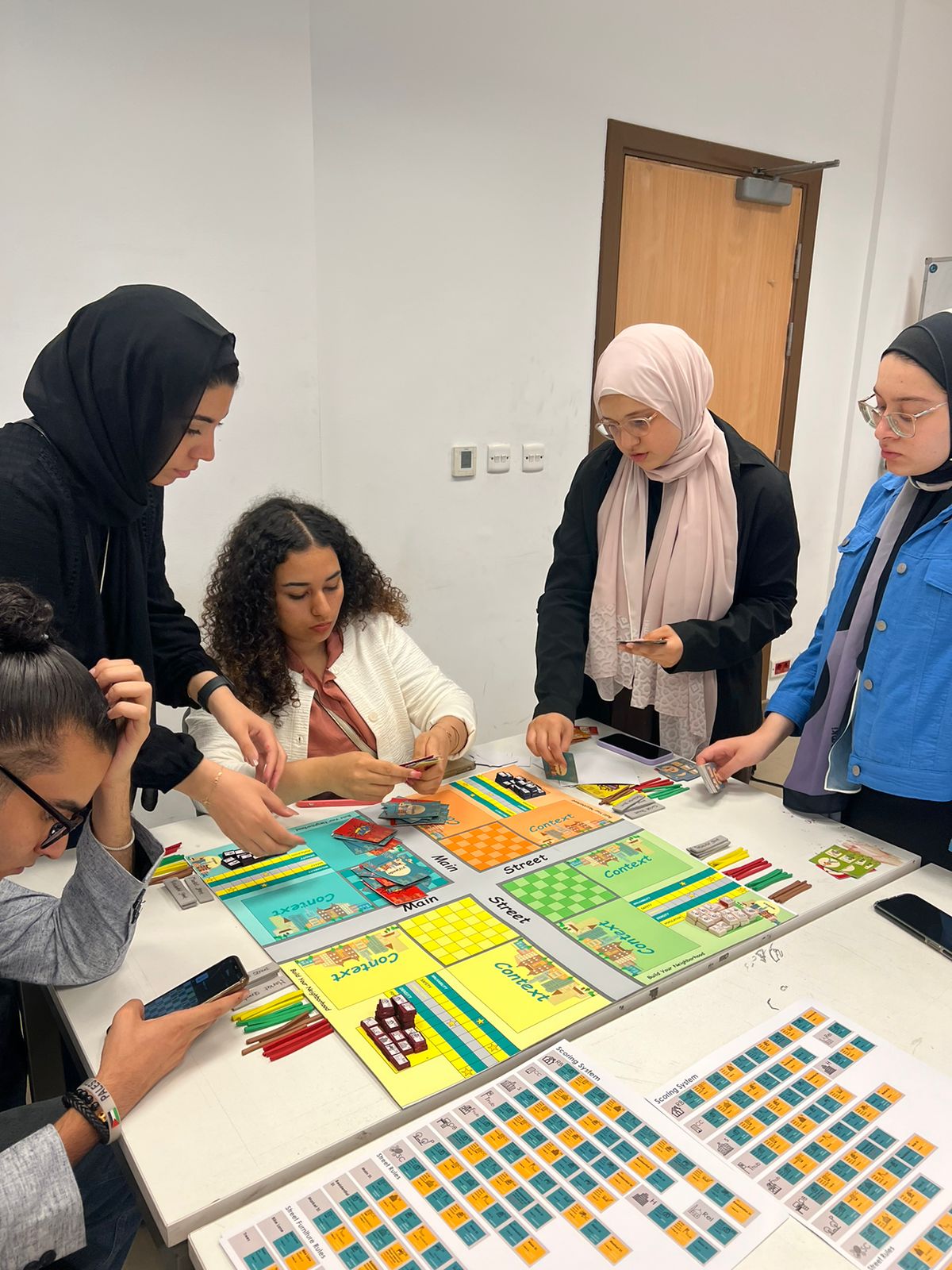
In this game, students divided the snake and ladder board into 4 different neighbourhoods and they used drawing cards and changing rules mechanic to design their own game.
In this game, players compete to design the best neighbourhoods with their eye on the changing conditions.
The first prototype
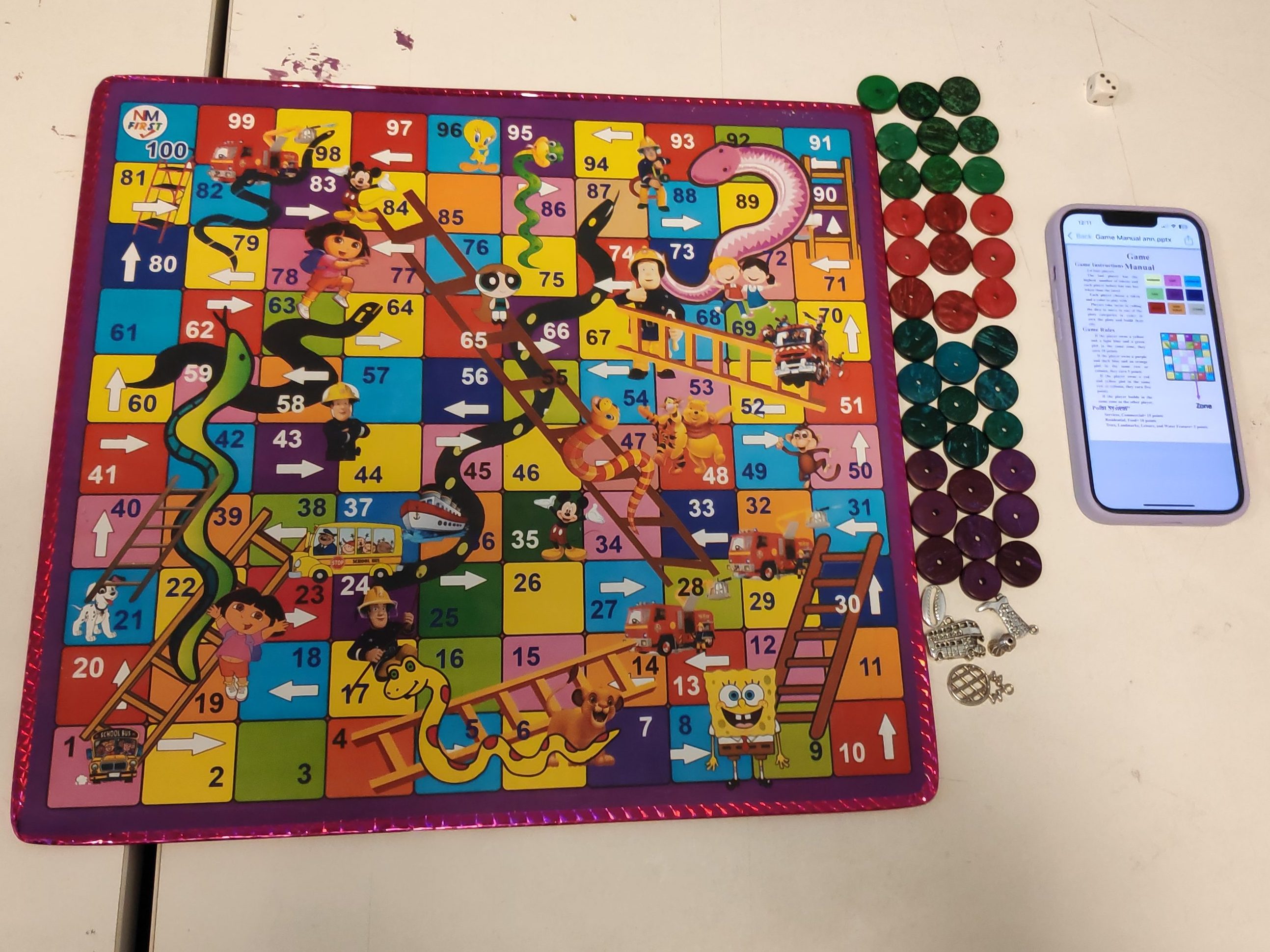
More Development and testing
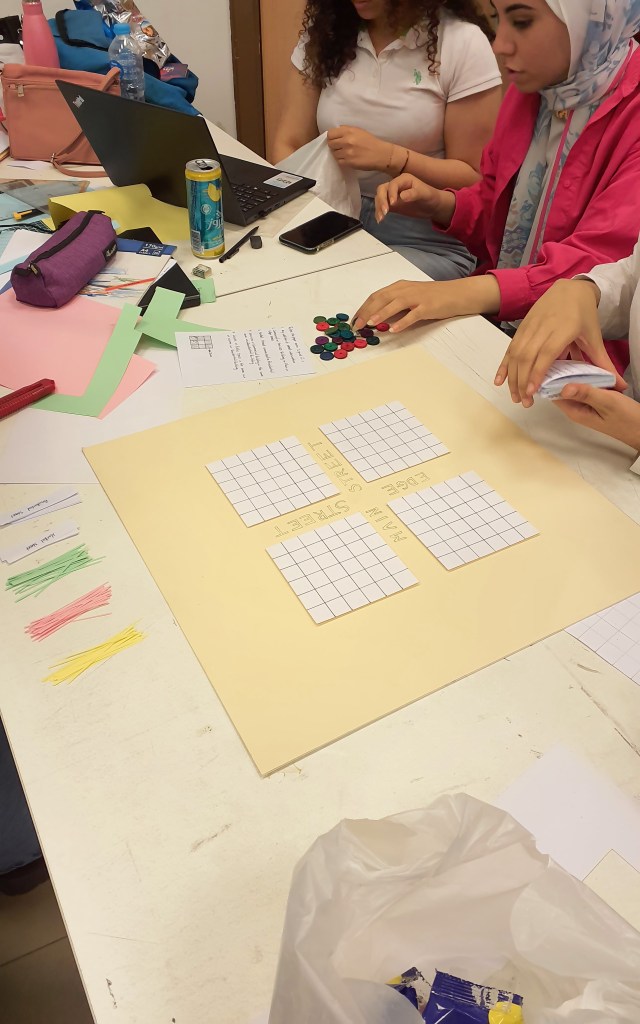
Final Game


Final Project Assessment
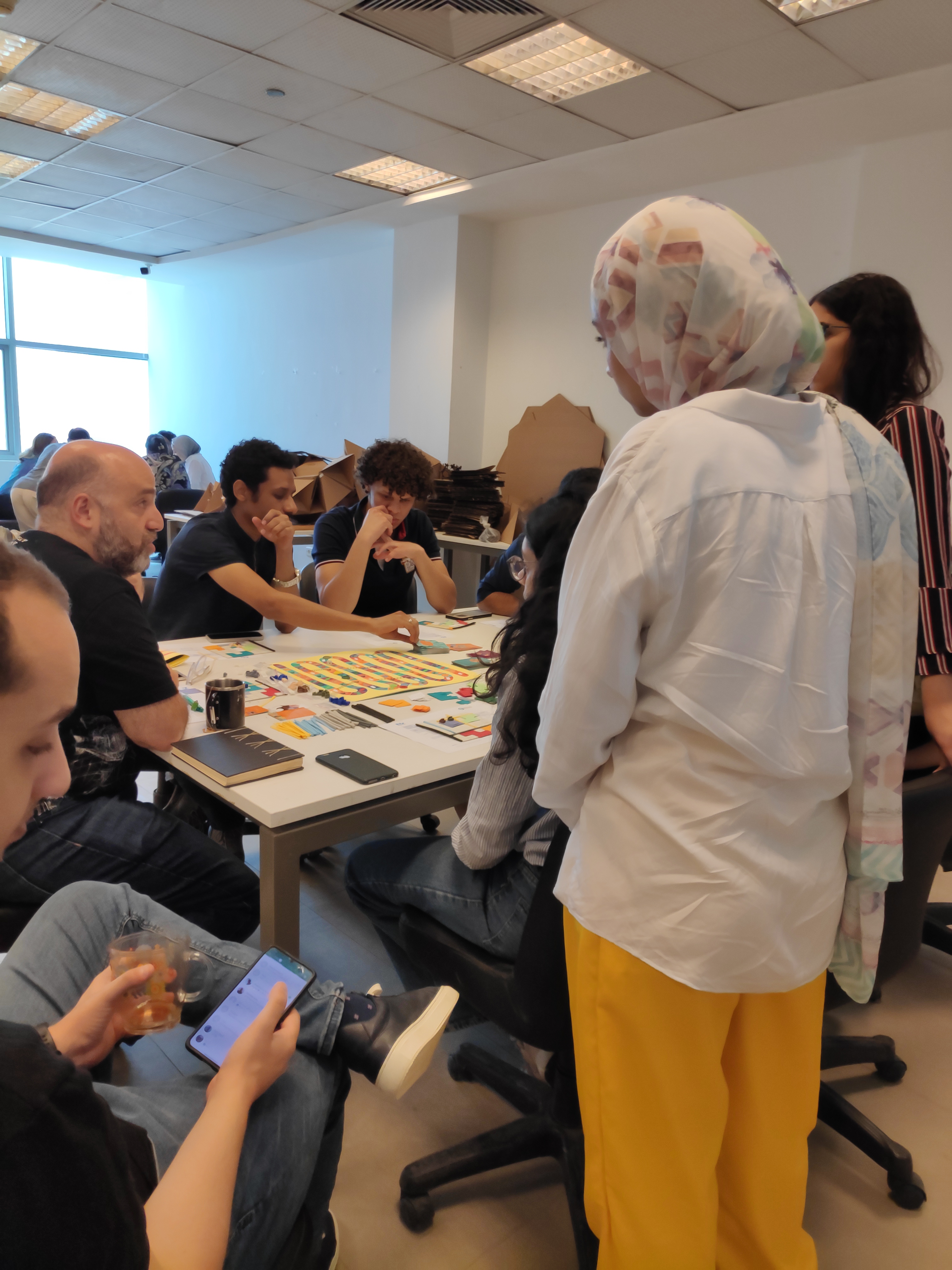
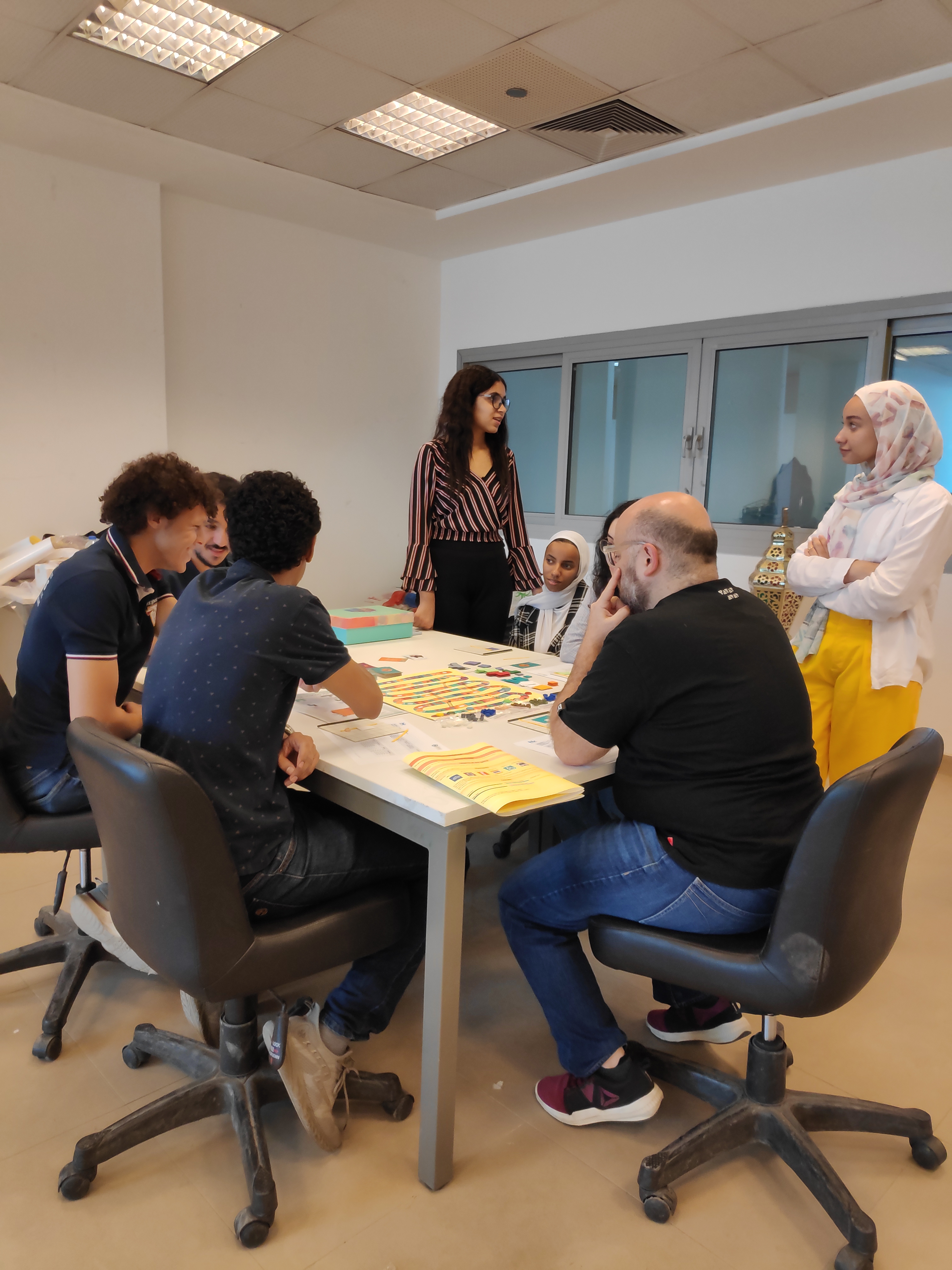
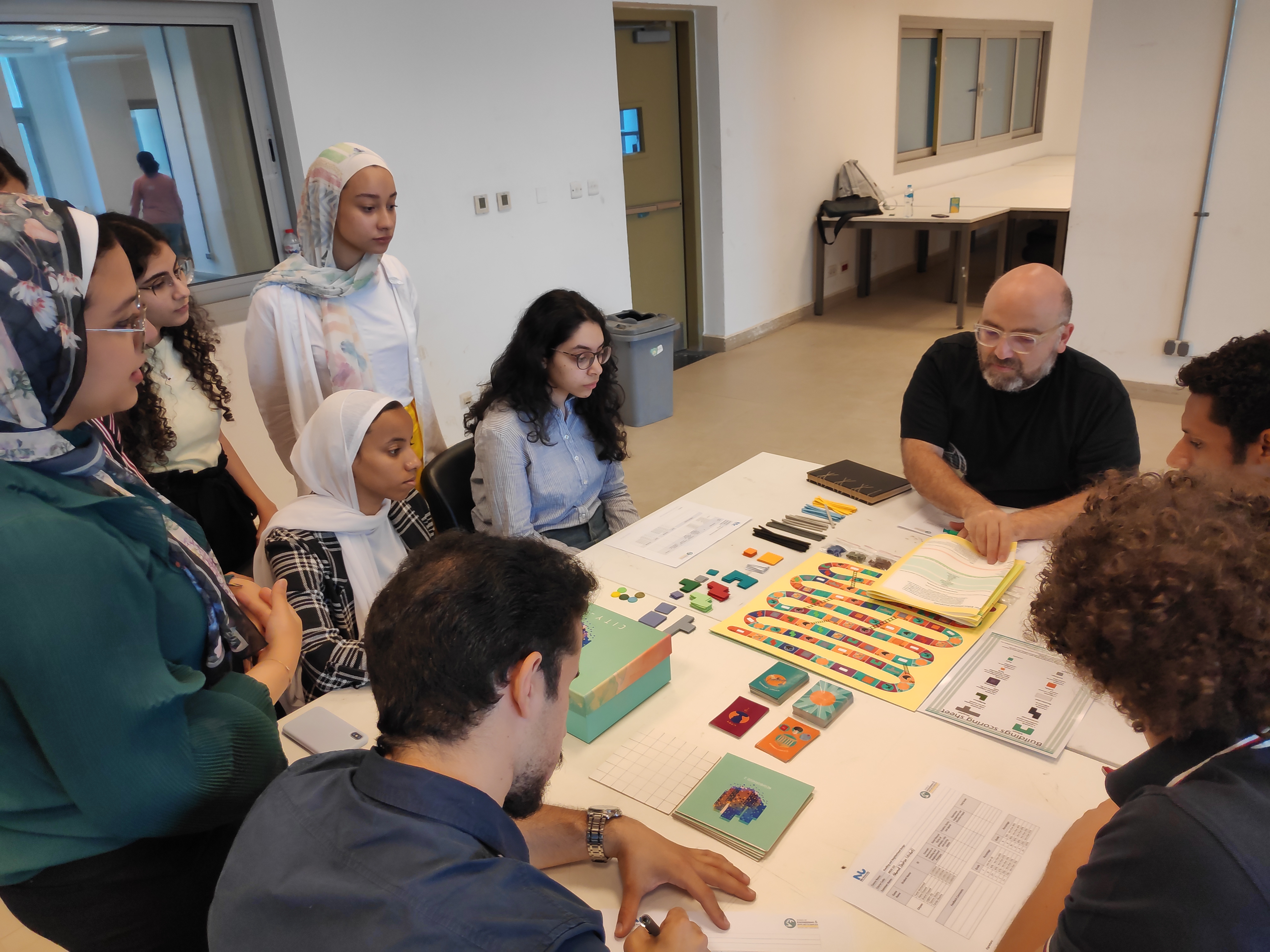
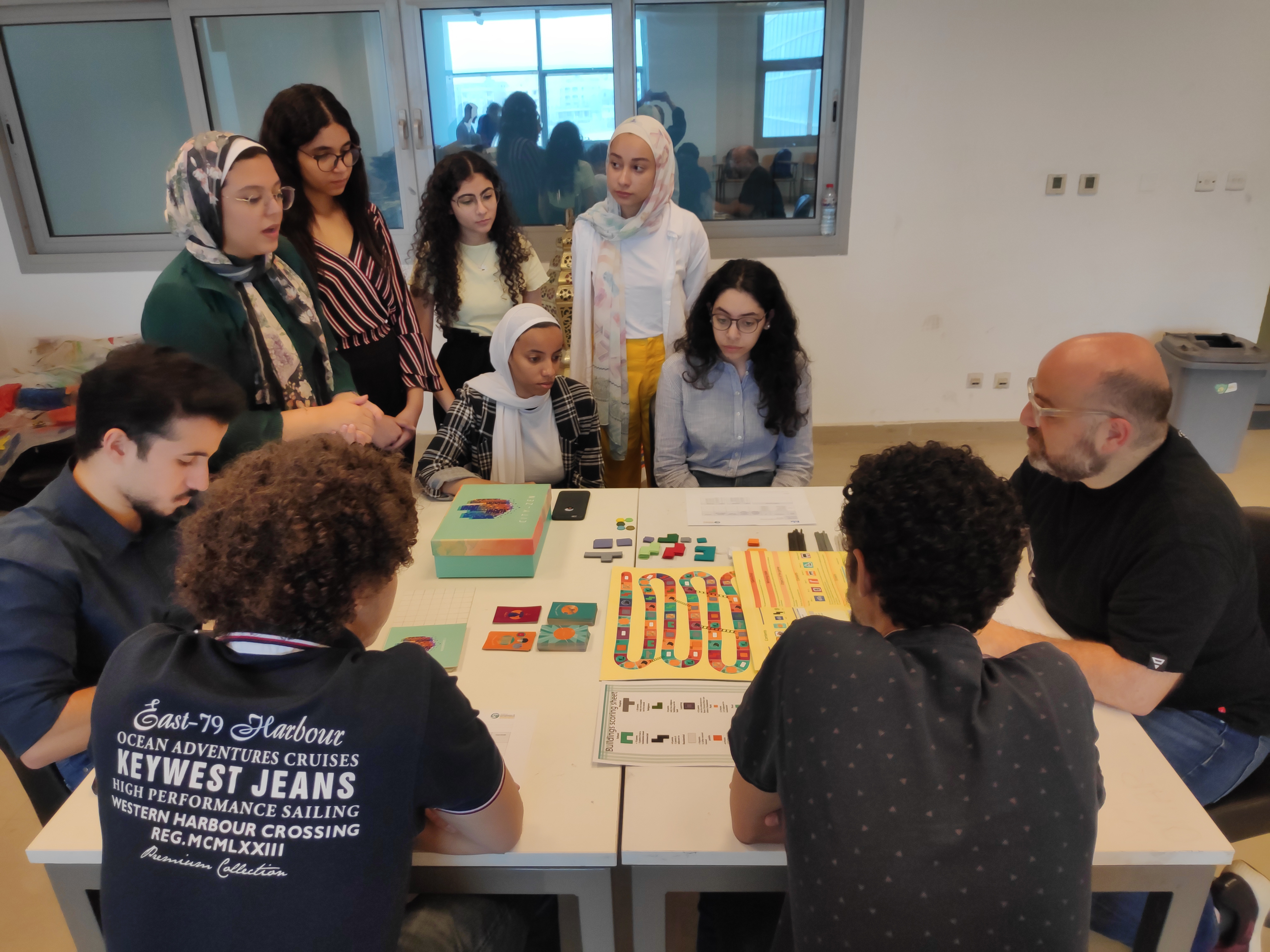
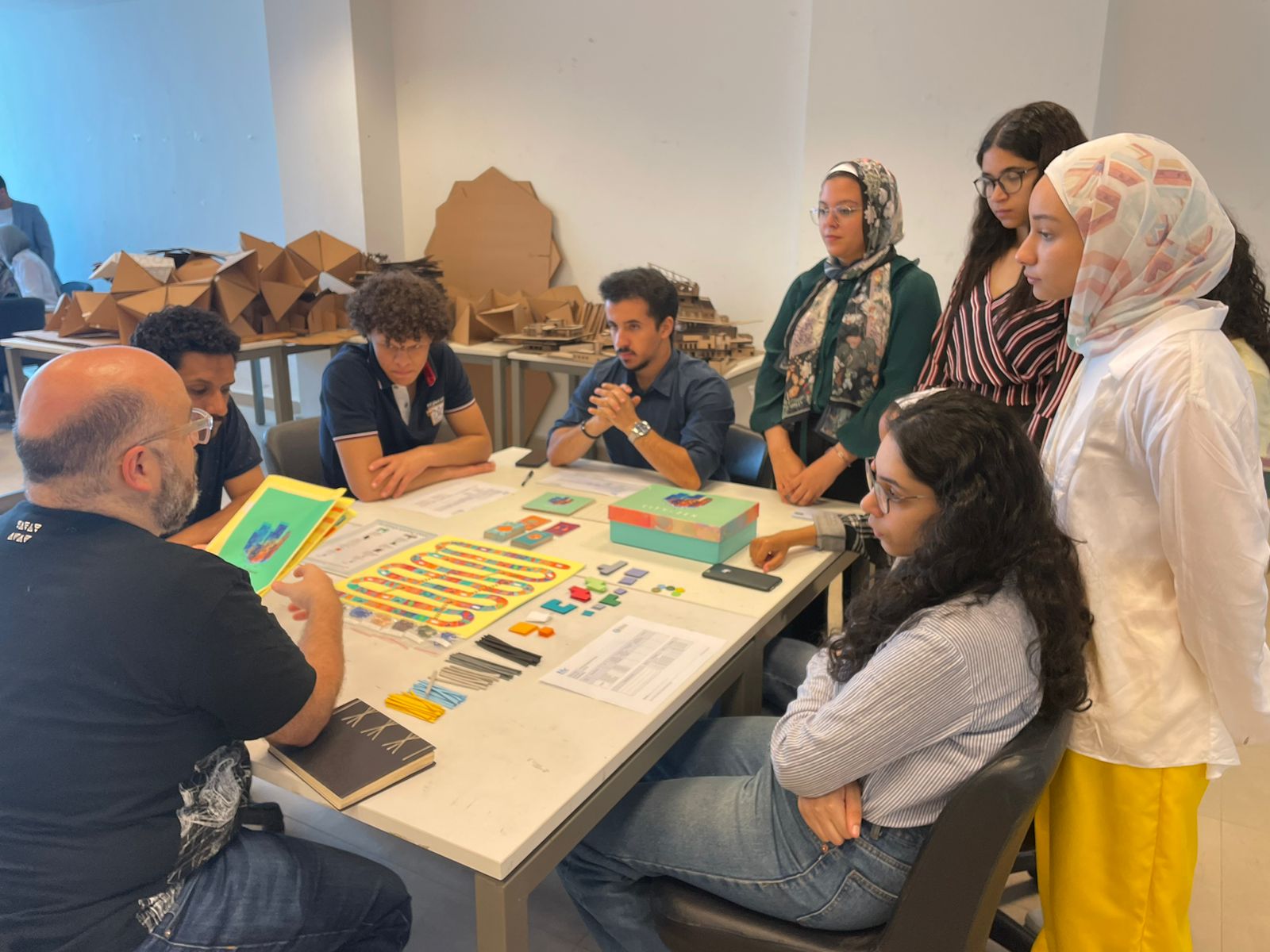
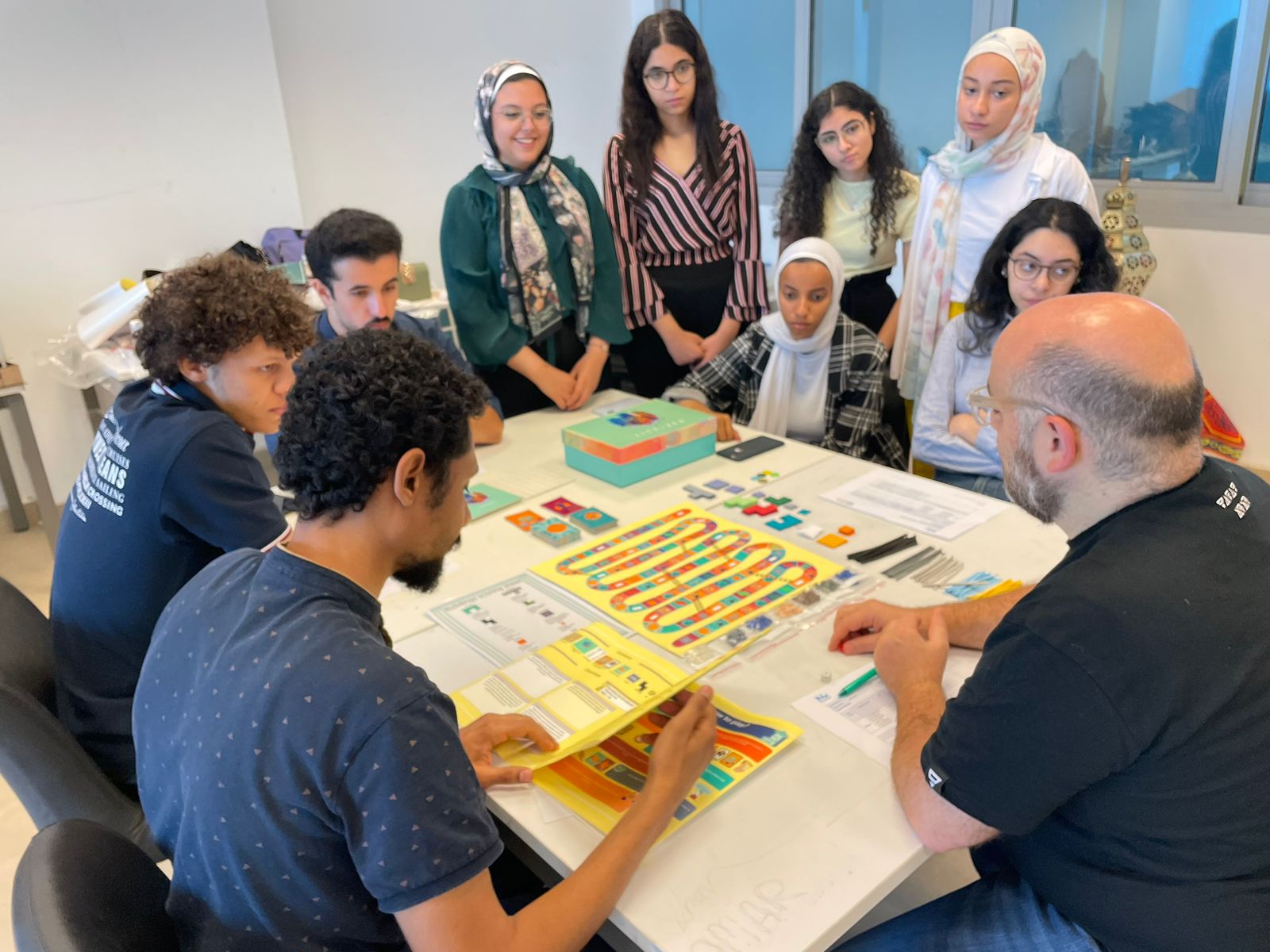
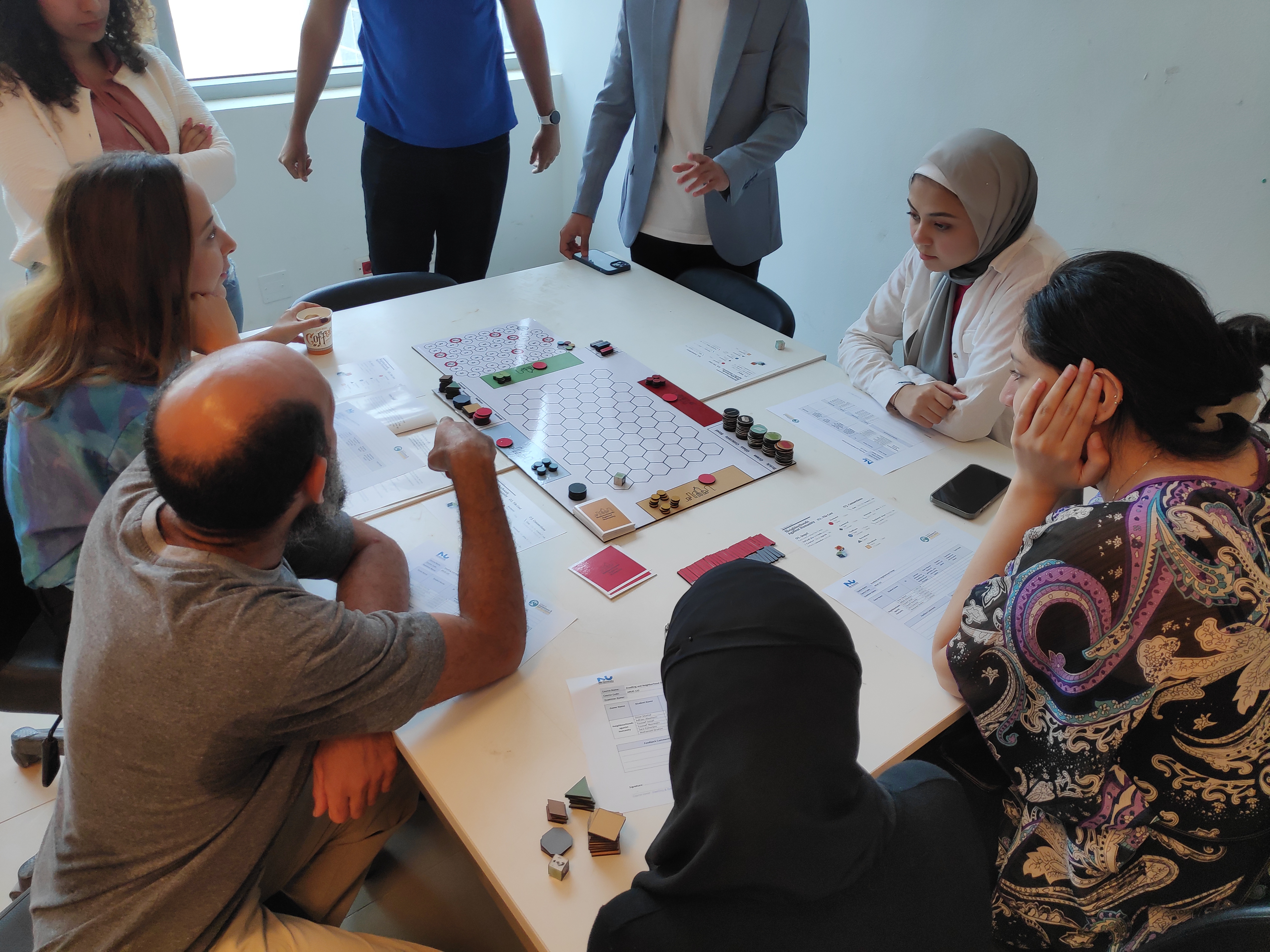
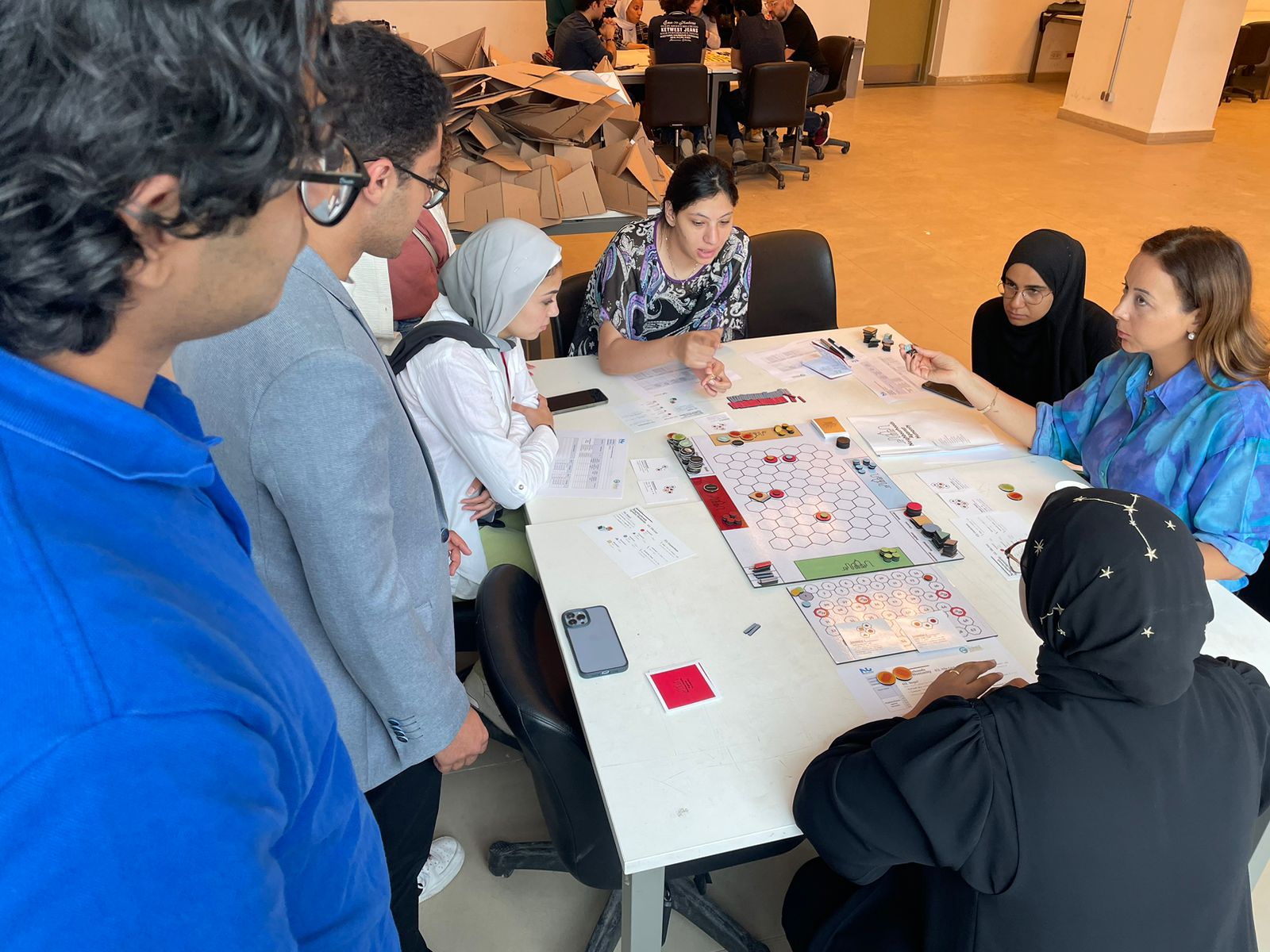
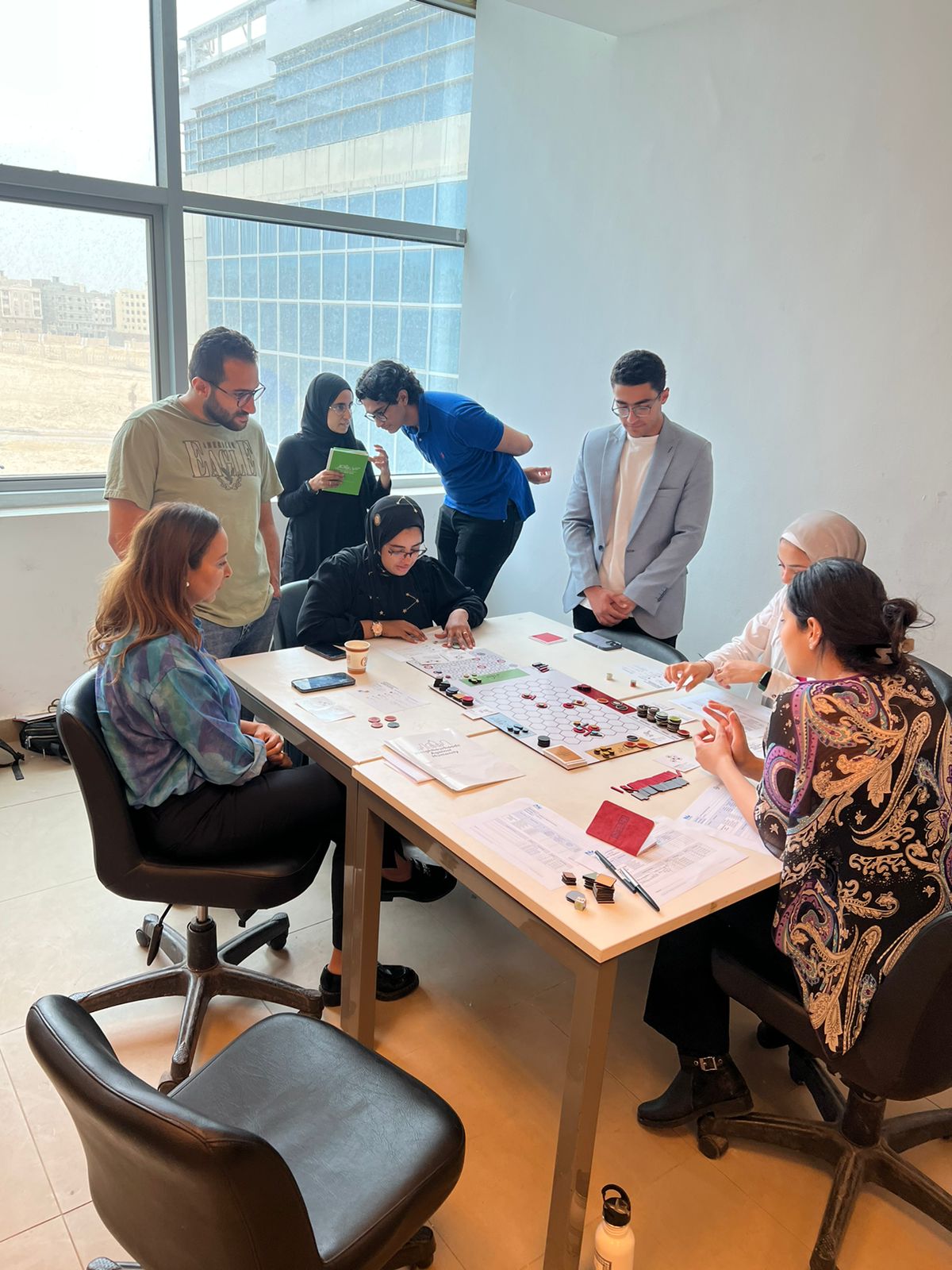
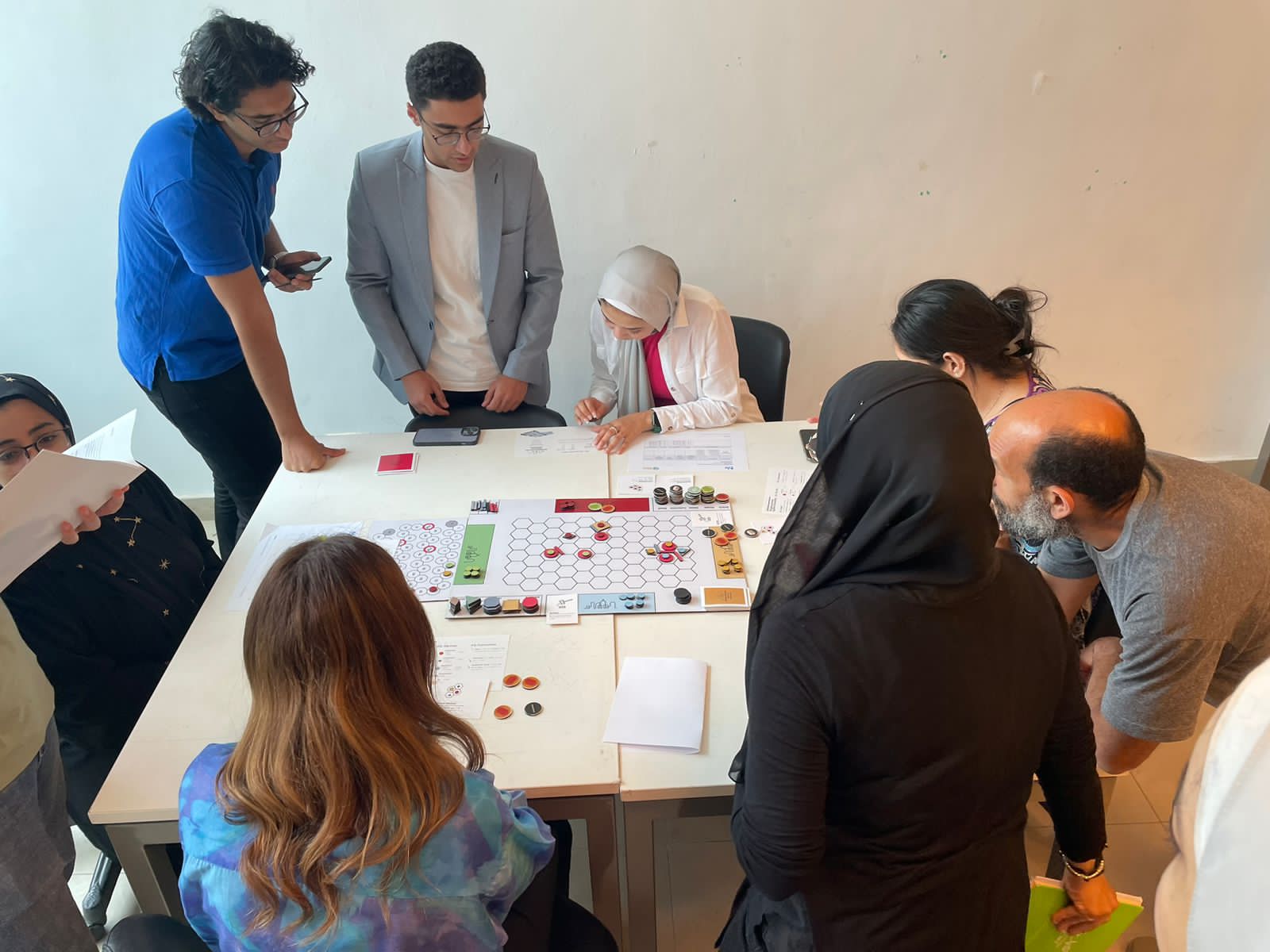
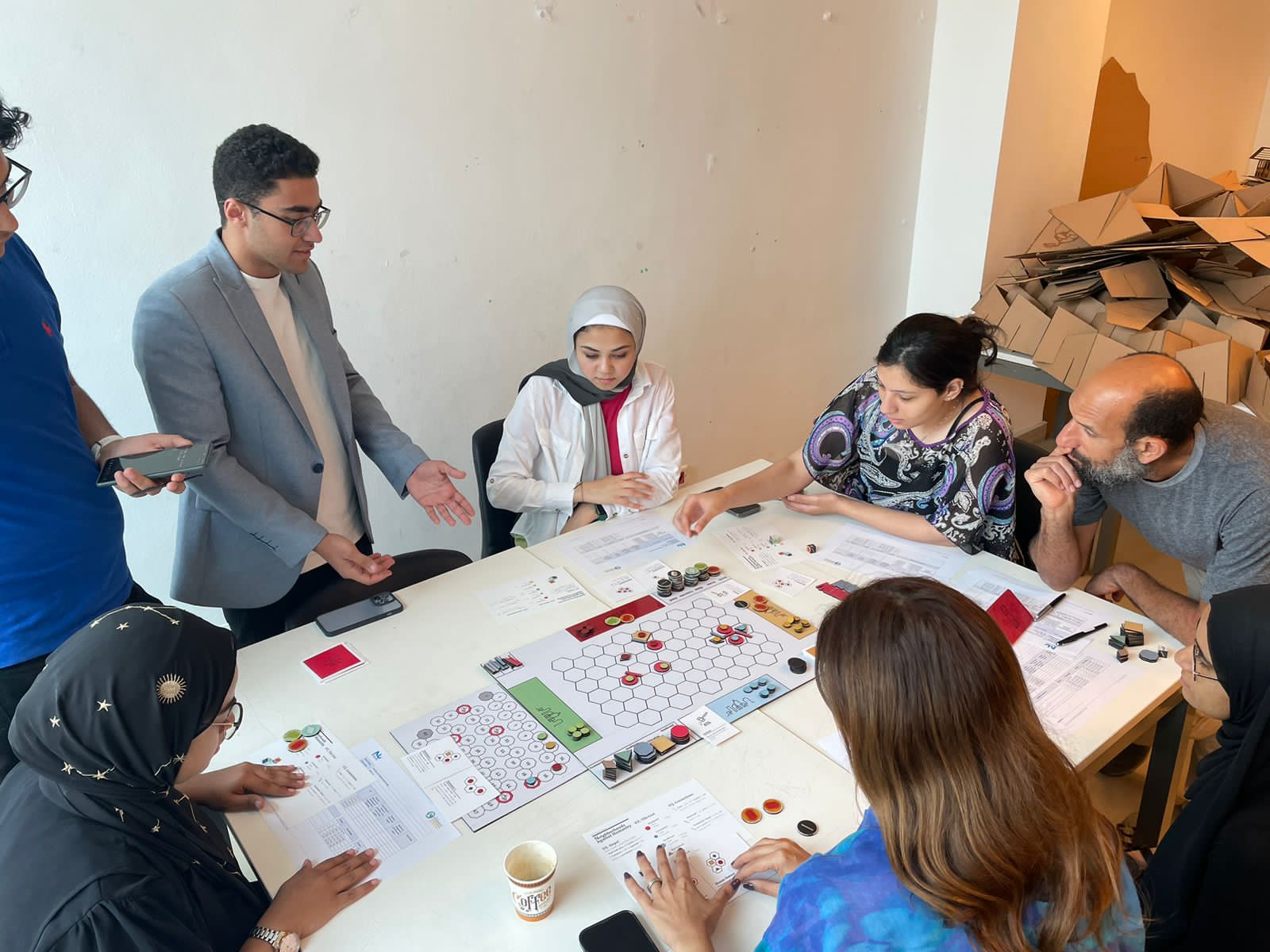
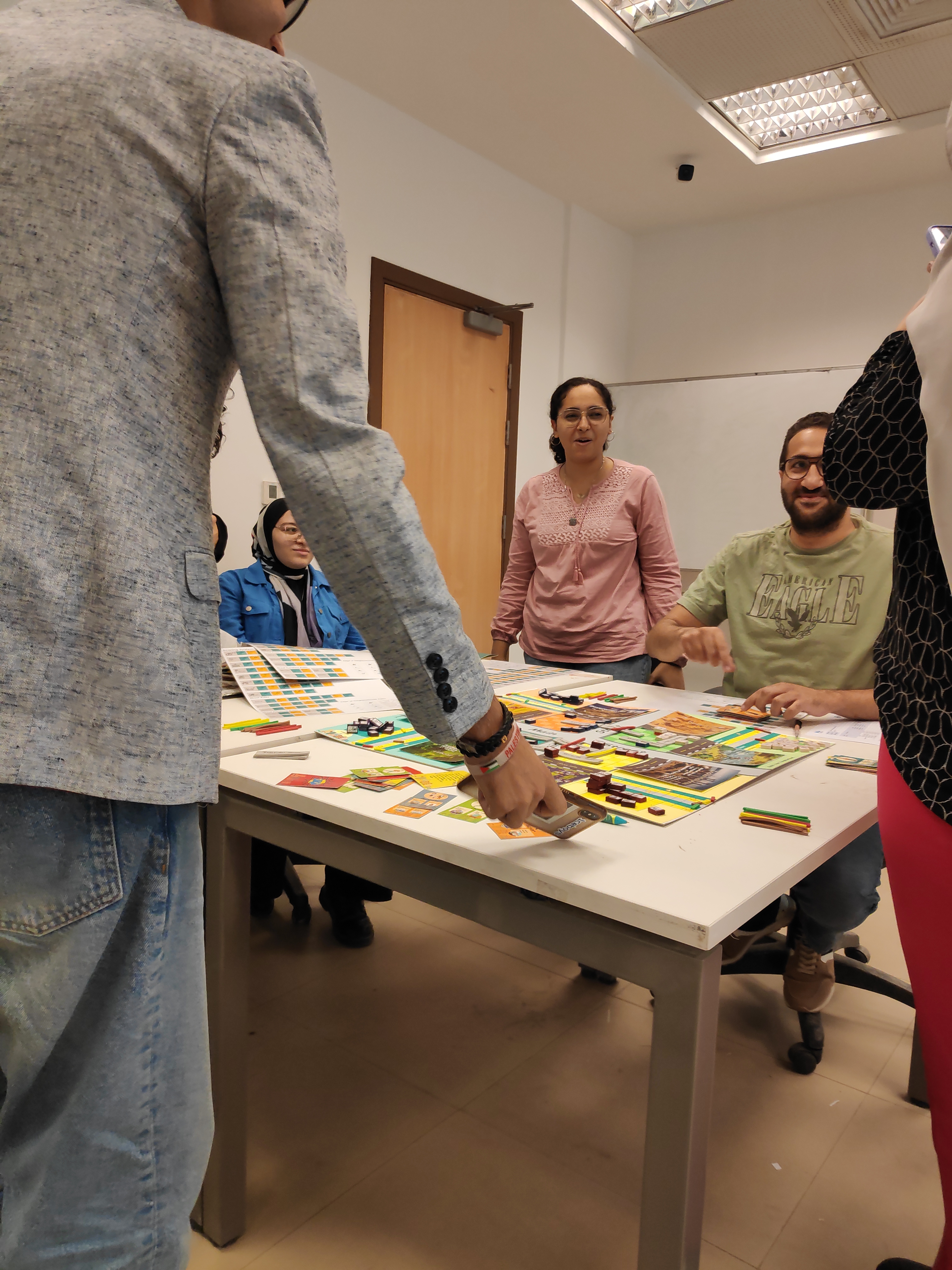
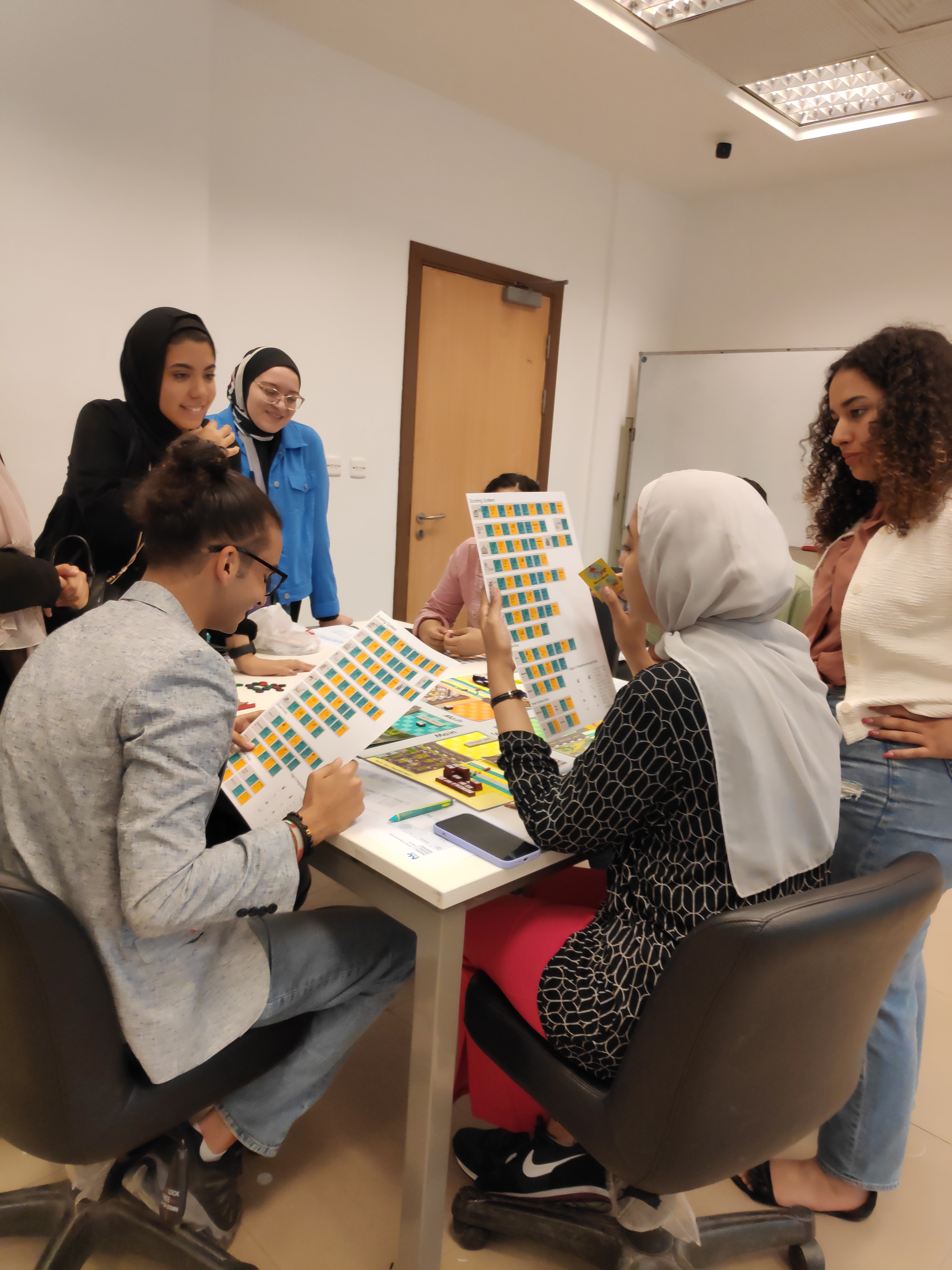
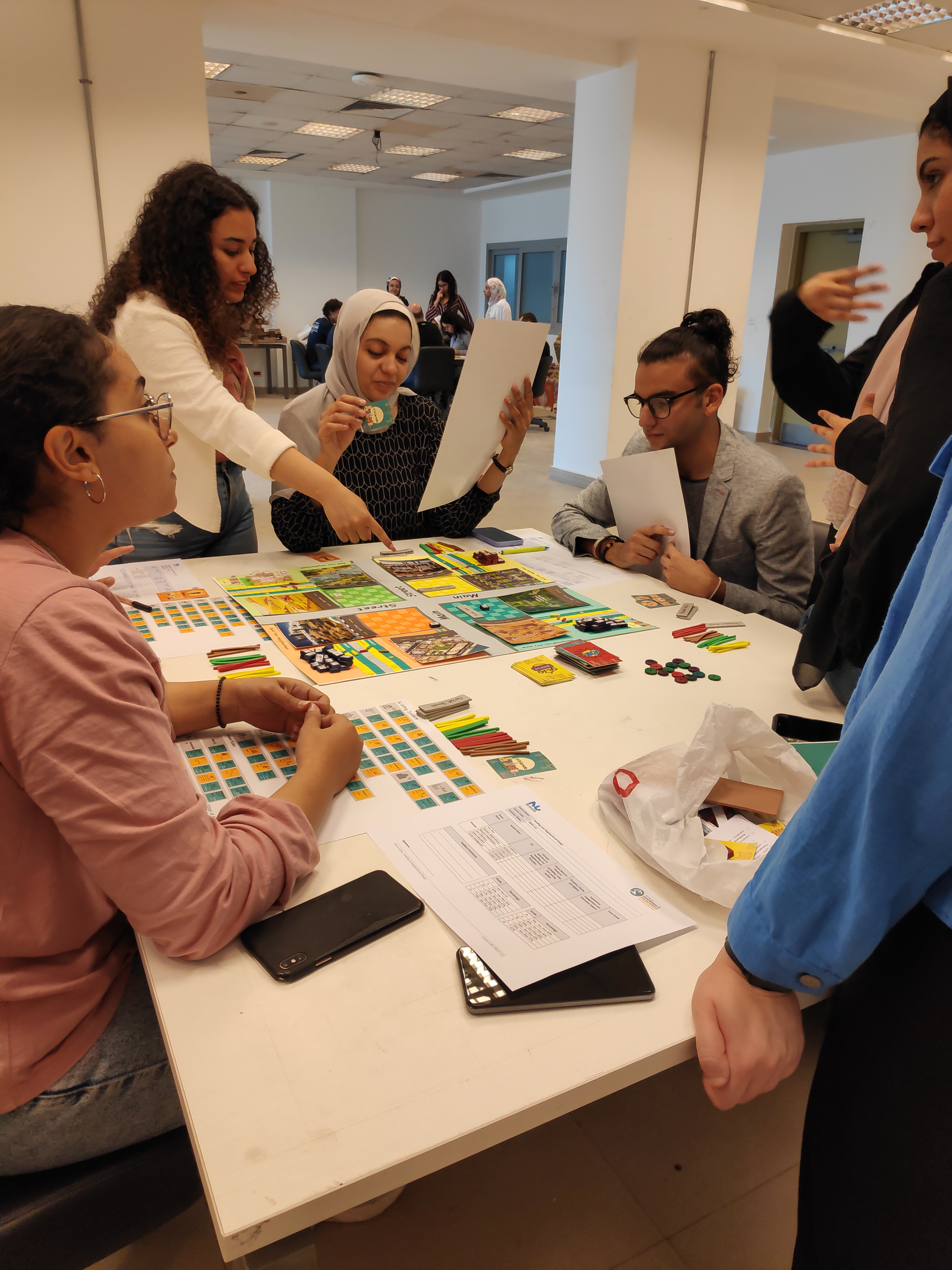
In the project submission and evaluation day, we invited some experts from the game industry and also urban design experts to help evaluate the game from different points of views: how fun these games were? and to which extend did they serve the urban design purpose as they were expected to do?









 Ayah Abdeen